If you’re looking for a low-maintenance way to fill your flower beds, low-growing groundcovers are pretty much a dream come true. They offer beautiful blooms from May all the way through September, keeping your garden looking lush. However, if you’ve ever tried growing them from scratch, you might have noticed that starting these plants from seed can be a bit of a challenge. Let’s dive into why that is and how you can succeed.
Why seeds are hard to come by
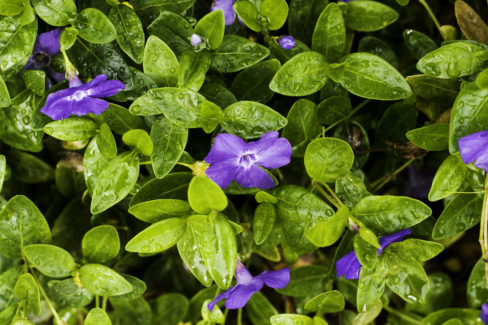
Mother Nature has a very specific way of doing things, and *Vinca* (commonly known as Periwinkle) is a great example. In the wild, these plants actually rely on ants to spread their seeds! Here in cooler climates, *Vinca minor* rarely produces fruit, which means finding viable seeds is pretty tough. That’s why most of us don’t usually grow them from seed. It’s much easier to grab some starter pots from your local nursery or try propagating them from cuttings. If you really have your heart set on seeds, you’ll have better luck finding varieties like *Vinca rosea* (Annual Vinca) at the garden center.
Tips for starting from seed
If you’re up for the challenge of growing *Vinca* from seed, be prepared for a little extra work. To get the best results, you’ll want to start them indoors or in a greenhouse between February and April. Just barely cover the seeds with soil and keep them consistently moist. They love warmth, so try to keep the temperature right around 68-75°F. You should see sprouts popping up in about 14 to 20 days. After about three weeks, thin them out so they have about an inch of space. Once May rolls around and the weather warms up, you can move them into the garden, [spacing them] (link u=immergruen-plant-spacing) about 10 inches apart.
What to keep in mind when planting
When you’re ready to get them in the ground, picking the right [location](link u=immergruen-standorte) is key. These evergreens are happiest in partial to full shade. They really thrive in [nutrient-rich](link u=immergruen-duenger), moist soil. *Vinca* is super versatile—it looks great planted in groups, used as a border for garden beds, or tucked under trees to cover bare spots. It even does well in [pots and containers](link u=immergruen-balkon). Just remember: since they can be a bit finicky to start, getting the conditions just right is the secret to success.
Natural weed protection
One of the best things about a thick carpet of groundcover is that it acts as a natural defense against weeds. Once the plants fill in, weed seeds simply can’t get the light they need to sprout. Plus, they’re great for erosion control! The root systems do a fantastic job of holding the topsoil in place, so you won’t have to worry about your dirt washing away during a heavy summer rainstorm.