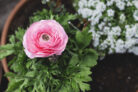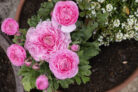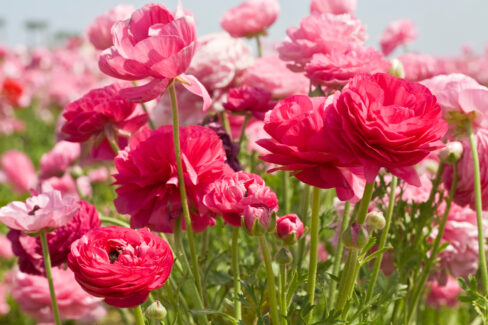
Ranunculus flowers first made their way from the Orient to Europe back in the 16th century. With their brilliant colors and lush, rose-like petals, they’re still a huge favorite today for garden beds, balconies, and patios alike.
Growing Your Own Ranunculus
You’ve got a few options when it comes to growing these beauties: you can buy established plants in the spring, plant bulbs (corms) in the fall, or even start them from seed. If you already have ranunculus in your garden, just wait until they’ve finished blooming and the seed heads have fully ripened. The seeds look a bit like caraway seeds and are easy to harvest. Just a heads-up: growing them from seed takes a little extra love and patience!
You can sow the seeds outdoors in either the fall or spring. The trick is keeping the temperature steady between 50°F and 60°F (10–15°C) for germination. Here’s how to get started:
- Fill a seed tray (with a lid) or a mini-greenhouse with high-quality seed-starting mix.
- Barely cover the seeds with a dusting of soil—ranunculus are light-germinated, so they need some sun to wake up.
- Keep the soil moist, ideally using a spray bottle so you don’t wash the tiny seeds away.
- Keep the trays outside; your house is likely too warm for them to sprout properly.
- Expect to see sprouts in about 10 to 12 days.
- Once the seedlings are big enough (usually when you see four pairs of leaves), it’s time to thin them out.
- Move each plant into its own pot with well-draining soil (adding a little expanded clay at the bottom for drainage is a great idea).
- Overwinter your young plants indoors in a bright, airy spot that stays frost-free.
- If you’re sowing in the spring, you can plant them directly into your garden beds.
Alternatives to Starting from Seed
If you’re looking for a shortcut, garden centers start selling ranunculus pretty early in the year. You can transplant these directly into the ground as soon as the threat of night frost has passed. If you already have established plants, you can also propagate them using the little “offset” corms that grow off the mother plant. Just dig up the plant after it’s done blooming, gently detach the baby corms, and replant everything. Make sure to give them plenty of elbow room—about 6 inches apart is perfect.
Another easy route is planting corms between March and April. Tuck them about 2 inches deep into nutrient-rich soil. They love to stay hydrated, so keep the soil moist, but make sure it’s not soggy—nobody likes “wet feet”!