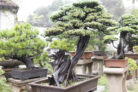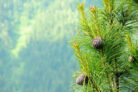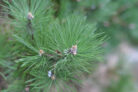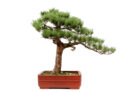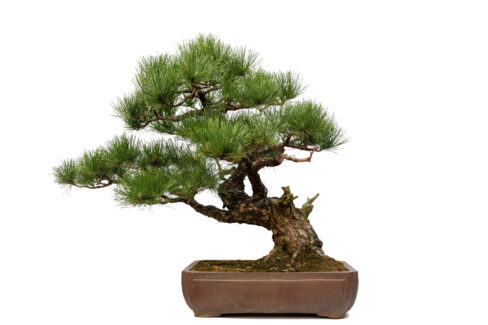
When it comes to the art of bonsai, few trees are as iconic or rewarding as the pine. With their year-round evergreen needles and rugged, sculptural potential, they make for a stunning focal point in any garden. If you’ve ever wanted to try your hand at shaping your own garden bonsai, you’re in the right place. Here’s the lowdown on how to prune and care for your pine to keep it looking its best.
Choosing the Right Pine Variety
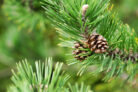
Did you know there are over 100 different species of pines across the Northern Hemisphere? Some of these giants can tower over 130 feet in the wild! Obviously, for a bonsai, you want something a bit more manageable. Ideally, you’re looking for a variety that stays relatively compact but naturally develops a beautiful, character-filled canopy.
Here are a few of my top picks for bonsai:
- Scots Pine
- Mountain Pine (Mugo Pine)
- Japanese White Pine
- Japanese Black Pine or Japanese Red Pine
What to Know Before You Grab the Shears
Once your plant has reached the size you’re aiming for, it’s time for “structural pruning.” This is where you cut the tree back to your desired height and start training it into that classic bonsai silhouette. But before you start snipping, you need to know exactly what kind of pine you’re working with. Different species react differently to pruning.
Pines generally fall into two camps: single-flush and double-flush growers. If you have a double-flush pine, you’re in luck—they are pretty resilient and handle “candle pruning” (pinching back new growth) like a champ. Single-flush pines, however, are a bit more sensitive to radical cuts. For those, it’s better to focus on thinning out the sides rather than aggressive topping.
How to Master the Structural Prune
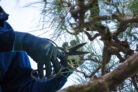
When you’re ready to prune, carefully remove the plant from its current soil. Start by trimming the roots, but be sure to leave several strong main roots intact—these are the lifelines that keep your pine fed and hydrated. After the roots are sorted, prune the branches back to fit your vision.
Here’s your starter kit:
- Bonsai shears
- Training wire
- Bonsai grit/granulate and a little potting soil
- A fine-mist watering can or bonsai nozzle
- Water
Now, settle your garden bonsai into a suitable pot with fresh substrate. Use the wire to gently guide the branches into the shape you want. If it still looks a bit shaggy, give it a final trim for shape. Place your tree in a bright, sunny spot and give it a good soak. Since pines are hardy and used to our climate, they’re perfectly happy staying outdoors year-round. Just remember to water regularly and feed them with a dedicated bonsai fertilizer.
Keeping Your Bonsai Happy
To keep your garden bonsai looking like a work of art, you’ll need to prune it periodically. If you let it go, that tiny tree will quickly lose its shape. Perform maintenance pruning on new growth whenever it looks necessary to keep the silhouette sharp. In the early years, it’s a good idea to repot the plant once a year into a slightly larger container, trimming the roots back slightly as you go to encourage a healthy, compact root system.