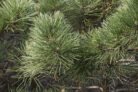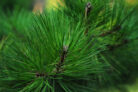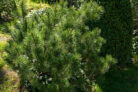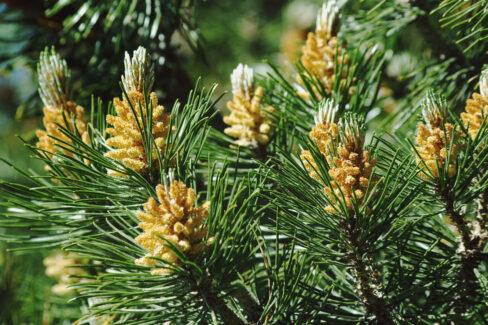
If you’re looking to add a touch of timeless greenery to your landscape, you can’t go wrong with a pine tree. In this guide, I’ll walk you through everything you need to know about their unique traits, how they grow, and what they need to thrive. Whether you’re a seasoned pro or a weekend gardener, this info will help you pick the perfect spot and keep your pine looking great for years to come.
Botanical Classification and Distribution
Pine trees are some of the most iconic evergreens you’ll find across North America and beyond. With over 100 different species worldwide, these trees are incredibly adaptable. Most varieties are tough as nails, thriving in harsh conditions and easily shrugging off freezing winter temperatures. Because they look so classic and stay green year-round, they’re a favorite for both public parks and backyard gardens.
Quick Facts at a Glance:
- Type: Coniferous evergreen
- Botanical Name: Pinus
- Variety: Over 100 different species
- Lifespan: Can live up to 700 years
- Reproduction: Monoecious (both male and female cones on one tree)
Growth Habit and Characteristics
When most people think of pines, they imagine towering giants reaching for the clouds. While many do grow quite large, there are also plenty of dwarf varieties available. These smaller types are perfect for garden bonsais or rock gardens where space is at a premium. So, don’t worry—you don’t need a massive estate to enjoy the beauty of a pine tree!
Growth and Appearance:
- Height: Can reach up to 130 feet (40 meters)
- Growth Habit: Monopodial (the main trunk grows straight up)
- Growth Rate: Generally fast-growing
- Stability: Deep, strong roots provide excellent wind resistance
Location and Soil Requirements
One of the best things about pines is how low-maintenance they are. They aren’t particularly picky and are famous for their ability to adapt to their surroundings, even in poor or rocky soil. The main thing to keep in mind is that their roots need plenty of vertical space to head downward.
What Pines Look for in Soil:
- They love sandy or well-draining soil.
- Generally very undemanding and hardy.
- Highly adaptable to various soil types.
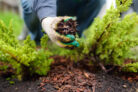
If your soil is a bit heavy, mixing in some sand can go a long way. It’s also a smart move to loosen up the earth before you plant your pine to help those roots establish themselves quickly. Just make sure you pick the right spot from the start—once a pine tree reaches a certain age, it really doesn’t like being moved!
Flowers, Fruit, and Seeds
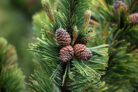
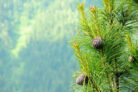
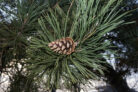
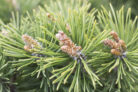
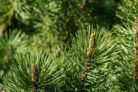
Pines have a pretty cool reproductive cycle. Since they are monoecious, a single tree produces both male and female flowers. The female flowers often have a lovely reddish tint that looks stunning against the green needles. These eventually develop into the classic pine cones we all know and love, which house the tree’s seeds.