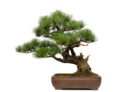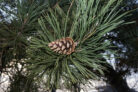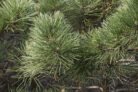
The Scots Pine is a fantastic choice for anyone looking to dive into the world of bonsai. To keep your little tree looking its best and thriving for years to come, you’ll want to get the care routine just right. Here are my top tips for maintaining a beautiful Scots Pine bonsai.
Growing Big Beauty on a Small Scale
When most people think of Scots Pines, they picture those towering, ancient evergreens you see deep in the forest. But here’s the cool part: you can actually keep these trees quite small! Training one as a bonsai is the perfect way to enjoy that classic pine look at the size of a typical houseplant. They’re super versatile, too—they’ll look great whether you keep them in your garden or out on a balcony.
If you’re looking for specific varieties that take well to bonsai training, check these out:
- Water Pine (Moor Pine)
- Classic Scots Pine
- Engadine Pine
How to Care for Your Scots Pine Bonsai
First things first: you’ve got to find the perfect spot for your tree. While these plants aren’t overly picky, they do have some preferences. They’re sun-worshippers, so a bright, sunny location is key. When it comes to watering, it’s all about balance—you don’t want the soil to bone-dry, but you definitely don’t want it sitting in a puddle (root rot is no fun!). During those hot, dry spells, I recommend using a dedicated bonsai watering can to give it a gentle, thorough soak.
To keep your tree healthy and vibrant, don’t forget the nutrients. The main growing season happens between May and August, so that’s when feeding is most important. You can use a liquid bonsai fertilizer or those handy organic fertilizer pellets.
When it’s time for a haircut, aim for early summer. You can actually be pretty bold here—don’t be afraid to prune back branches by up to two-thirds. Once you’ve trimmed it, you can use bonsai wire to guide the branches into that perfect, artistic shape.
Finally, give your bonsai tree a “check-up” every two years to see if it’s outgrowing its pot. If the roots are getting cramped, it’s time for a root prune and a move to a slightly larger container. Refresh the soil with a high-quality substrate enriched with humus; this gives the roots a fresh start and ensures your little tree stays well-nourished.