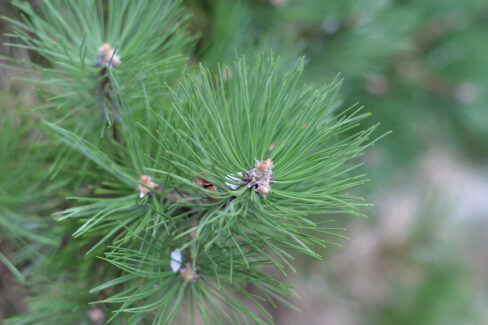
When your pine tree starts taking over the yard, you might find yourself needing to give it a serious haircut. But before you grab the saw, there are a few golden rules you need to follow to keep your evergreen happy and healthy. Here’s the lowdown on how to handle a heavy prune.
What to Keep in Mind Before Pruning Your Pine
Generally speaking, pines are pretty low-maintenance and don’t actually *need* regular pruning. However, life happens! Sometimes a fungal infection or some other pine disease makes a trim mandatory.
In those cases, you’ve got to act fast and cut away all the affected areas. If you leave them, the disease will just keep spreading until it drains the life out of the whole tree. Aside from health issues, there are a few other reasons you might need to go for a radical prune:
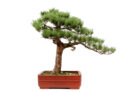
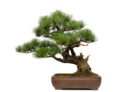
- Training your pine into a bonsai
- Thinning out a crowded canopy
- Keeping the tree at a specific height so it doesn’t hit power lines or block your view
How to Tackle the Pruning Process
Timing is everything. You want to prune when the sap isn’t flowing heavily through the trunk. That’s why the colder months are usually your best bet for a major cutback. Just make sure to pick a dry day when it’s not freezing outside.
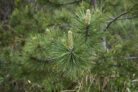
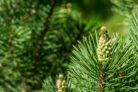
First, do a little homework on your specific variety. Does it have one growth spurt a year, or two? “Multi-flush” pines that grow twice a year can handle a much more aggressive pruning—you can even shorten the main trunk significantly. For single-flush varieties, you’ll want to be a bit more conservative. If you go too hard, the tree might struggle to push out new branches, and those open cuts can become an invitation for pests and disease.
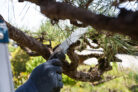
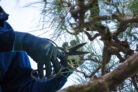
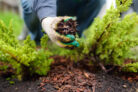
Before you get started, grab a pair of sturdy gloves. You’ll need a saw that is both sharp and clean—I always recommend disinfecting the blade first to prevent spreading any germs. Go ahead and remove any branches that look diseased, lifeless, or dead. You should also clear out any “crossing” branches that are rubbing against each other. Once you’re finished, it’s a good idea to treat any large cuts with a wound sealer to help the tree heal up right.