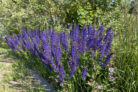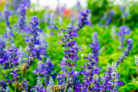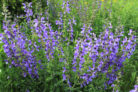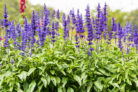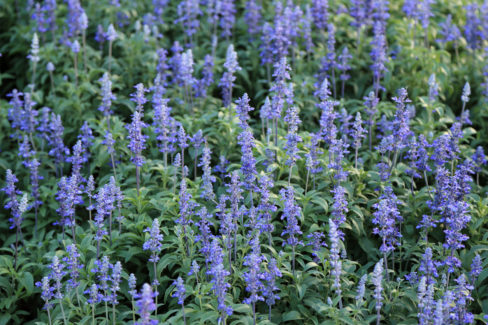
Meadow Sage is a double treat for the senses, boasting vibrant blooms and leaves with a wonderful aromatic scent. Whether you’ve stumbled upon this wildflower on a hike or you’re lucky enough to have it in your own backyard, it’s a real showstopper. But there’s more to this plant than just good looks and a nice smell—let’s dive into some of the cool facts and details you might not know.
Quick Facts & Figures
- Scientific Name: Salvia pratensis
- Family: Mint family (Lamiaceae)
- Origin: European Mediterranean regions
- Range: Found across Europe, Asia, and North America, up to elevations of 5,200 feet
- Natural Habitat: Meadows, roadsides, and fallow fields
- Growth Habit: Perennial semi-rosette, reaching up to 24 inches tall
- Root System: Deep taproots, reaching down to 3 feet
- Lifespan: Perennial
- Propagation: Seeds; in gardens, also via root division and cuttings
- Toxicity: Non-toxic
- Garden Use: Ornamental plant, pollinator food (especially bumblebees), and medicinal herb
- Bloom Time: April/May through August; can bloom again in fall if pruned back
- Flowers: 0.6-inch labiate (lipped) flowers arranged in whorls
- Flower Colors: Usually violet-blue, occasionally white or pink
- Pollination: Primarily by bumblebees using a unique “lever mechanism”
- Leaves: Green, roughly 4 inches long and 2 inches wide
- Fruit: Schizocarps (dry fruits), ripening in July and August
Growing Meadow Sage in Your Garden
Meadow Sage is a fantastic addition to your flower beds or even in containers. Most gardeners get started by direct sowing seeds in the spring or fall. To see this wildflower really thrive, you just need to pick the right spot. The most important thing to remember? It’s a total sun-worshipper. It needs full sun—ideally receiving at least 80% of available daylight. If you tuck it away in the shade, you’ll end up with very few flowers, and they likely won’t produce seeds.
Because of those long taproots, Meadow Sage is quite drought-tolerant and can usually find its own water deep in the soil. On the flip side, it hates “wet feet,” so make sure your soil is loose and well-draining. It’s not too picky about whether the soil is nutrient-rich or lean, but it does prefer a bit of lime (alkaline soil).
Uses for Meadow Sage
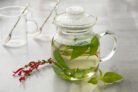
Beyond looking gorgeous in the garden, Meadow Sage makes a lovely cut flower. For the longest vase life, snip the stems just as the flowers are starting to open. But this plant isn’t just a pretty face—it’s packed with beneficial compounds like tannins, flavonoids, and plant estrogens. These can help with everything from insect bites and skin inflammation to digestive issues and hot flashes. To make a soothing tea, just steep 1 tablespoon of fresh leaves (or 1 teaspoon of dried) in hot water for about seven to ten minutes.
Pro Tip:
If you’re harvesting leaves for tea, do it while the plant is in bloom—that’s when the aromatic oils are at their peak. Just make sure you’re picking from a spot far away from busy roads or popular dog-walking paths to keep your harvest clean and organic!