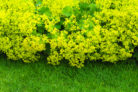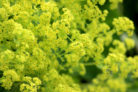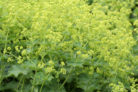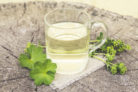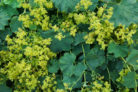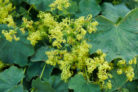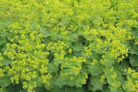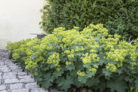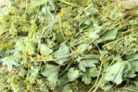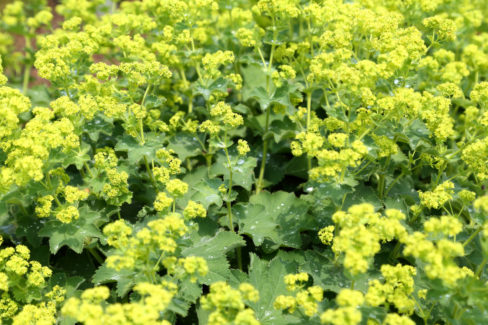
Lady’s Mantle is a member of the rose family that has earned a spot in gardens all across the country, mostly thanks to its unique, matte foliage and those charming tiny yellow blooms. But don’t let its pretty looks fool you—this low-maintenance plant is also one of the most versatile herbs you can have in your medicinal garden or kitchen.
Planting Lady’s Mantle: How to Get It Right
Technically, you can get this hardy perennial in the ground any time of year. However, like most perennials, Lady’s Mantle really prefers being planted in the spring. If you miss the spring window, early fall is your next best bet for late sowing.
The golden rule for getting your Alchemilla off to a great start? Be meticulous about watering during those first few weeks. If you’re looking to use Lady’s Mantle as a lush groundcover, you’ll want to space out about five to ten plants per square yard, depending on the specific variety you choose.
By the way, don’t worry about the winter chill! These plants are incredibly frost-hardy and will breeze through the cold months without needing any extra winter protection.
Care Tips for Growing Lady’s Mantle
Keep an eye on the “Garden Lady’s Mantle” (Alchemilla mollis) in particular—it loves to self-seed and can quickly take over your flower beds if you aren’t careful. To keep the spreading habits of Lady’s Mantle in check, I recommend regularly pulling up any little volunteer seedlings that pop up.
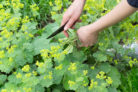
Another pro tip: give the plant a good haircut right after its flowering period. Cutting it back close to the ground prevents unwanted spreading and encourages a fresh, vigorous flush of new leaves. You can also rejuvenate the plant by dividing it every few years. Since Lady’s Mantle grows so fast, it can become a massive clump that eventually starts looking “bald” or woody in the center if it isn’t divided.
The Perfect Soil for Your Lady’s Mantle
Before you dig your holes, it’s a great idea to enrich the soil with some well-aged compost or manure. Lady’s Mantle is happiest when the soil hits these marks:
- Well-draining and loose texture
- Rich in organic matter and nutrients
- Consistently fresh to moist
- Ideally clay or loam-based for the best water retention
The Best Garden Neighbors for Lady’s Mantle
Since Lady’s Mantle is pretty easygoing, it plays well with many other plants that share the same preferred growing conditions. If you’re looking for the perfect companions to plant nearby, you can’t go wrong with Lavender, Begonias, Forget-me-nots, Baby’s Breath, Cranesbill (Geranium), Yarrow, Roses, and Bellflowers.