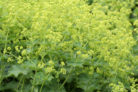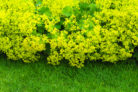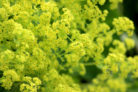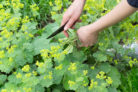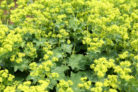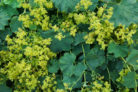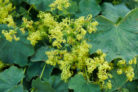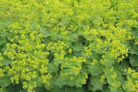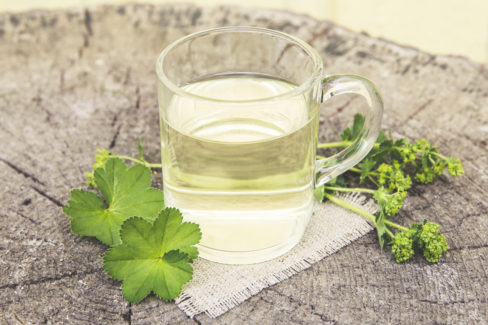
Lady’s Mantle is a staple in so many of our gardens and local parks, and for good reason! Between those unique, scalloped leaves and the dainty sprays of chartreuse flowers, it’s a total decorative powerhouse. But did you know it’s more than just a pretty face? Both the leaves and flowers are actually edible. If you’re wondering how to move this plant from your flower bed to your kitchen table, here’s the scoop on how to use it properly.
Is Lady’s Mantle Safe to Eat?
First things first: Lady’s Mantle is completely non-toxic and very well-tolerated, which is why it’s officially classified as edible. Whether you have the common garden variety (*Alchemilla vulgaris*) or the lovely Alpine version (*Alchemilla alpina*), they are safe for both humans and our furry friends to snack on.
While the leaves and flowers are the most popular parts for cooking and home remedies, you can technically use the stems and roots too. If you’re looking for the best flavor, go for the tender young leaves. However, if you’re harvesting for herbal wellness, it’s best to pick the foliage and flowers during their peak summer bloom.
What Does It Taste Like?
I’ll be honest with you—Lady’s Mantle has a very distinct profile. It’s primarily bitter and slightly tart, with an astringent quality that gives you that “puckering” sensation in your mouth. While the leaves and flowers are totally manageable (and even pleasant once you get used to them), the roots can be a bit… well, let’s just say they aren’t exactly a culinary delight.
That bitterness comes from the high concentration of tannins and bitter compounds. Since these are exactly what give the plant its beneficial properties, I usually recommend balancing that sharp taste with a little natural sweetness, like agave nectar or coconut sugar.
How to Use Lady’s Mantle
If you’ve got this beauty growing in your backyard, you can harvest the parts fresh for immediate use, dry them for later, or even make your own tinctures. Don’t have a green thumb? No worries! You can find Lady’s Mantle in various forms at most health food stores or local apothecaries.
Ready to try it out? Here are a few easy ways to incorporate this herb into your routine:
- Brew a soothing tea: You can steep any part of the plant to make a calming, anti-inflammatory tea. (Pro tip: It’s delicious with a squeeze of lemon and a dollop of honey!)
- Boost your smoothies: During the summer, toss some fresh leaves and flowers into your blender for a nutrient-packed green smoothie.
- Cook it like spinach: You can lightly sauté the leaves as a healthy side dish—they behave very similarly to spinach when heated.
- Get creative with greens: Finely chopped leaves are a great addition to wild herb salads, hearty stews, or vegetable soups.