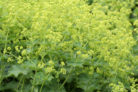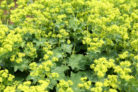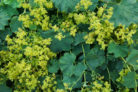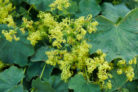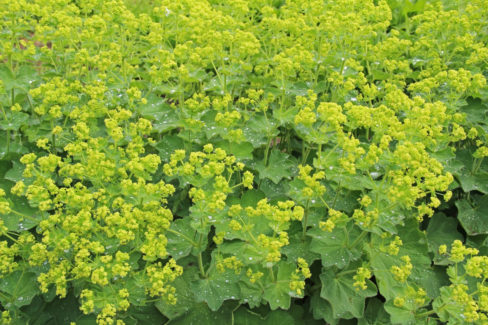
Lady’s Mantle is one of those classic, must-have plants that gardeners have loved for centuries. Maybe you’ve already got one thriving in your yard and now you’re dreaming of a whole border filled with those lovely, scalloped leaves? You’re in luck! Expanding your collection is actually pretty easy. Here are the best ways to propagate your Lady’s Mantle:
The Tried-and-True Method: Division
The most reliable way to get more plants is by dividing the rootstock. This is a simple vegetative propagation trick that works best in early spring, right before the plant starts putting out its new growth for the season.
Here’s how to divide your Lady’s Mantle like a pro:
- Carefully dig up your established plant.
- Give it a gentle shake to knock off the excess dirt so you can see the roots.
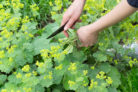
- Use a sharp, clean garden knife to slice the root clump into sections.
- Try your best to keep those delicate fibrous roots intact while you work.
- Replant your new divisions in a spot with the right conditions, and give them a good drink of water.
Letting Nature Take the Lead: Growing from Seed
If you’re a fan of a more “wild” garden look, you can let the plant do the work for you. Lady’s Mantle is a champion at self-seeding. If you don’t deadhead the faded flowers after they bloom, they’ll quickly drop seeds.
The wind will carry these seeds around your garden, and you’ll likely see little sprouts popping up the following spring. Of course, if you want more control, you can harvest the seeds yourself and start them indoors.
Pro Tip: Lady’s Mantle seeds are “cold germinators,” meaning they need a chilly period to wake up and start growing.
Tips for Starting Seeds Indoors
Collect the seeds from your plants and mimic winter by popping them in the freezer or leaving them out on a cold porch for a few days. When you’re ready to plant, remember that these seeds need light to germinate. Just press them onto the soil surface or cover them with a very thin dusting of dirt. Keep the soil consistently moist but not soggy.
You should see the first little leaves poking through in about three weeks. Once the seedlings are at least 2 inches tall, they’re ready to be thinned out and moved to their own pots or a permanent spot in the garden.
By the way: If you don’t want to mess with indoor trays, you can sow the seeds directly in the ground anytime between October and January!