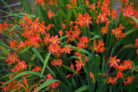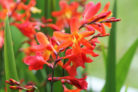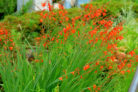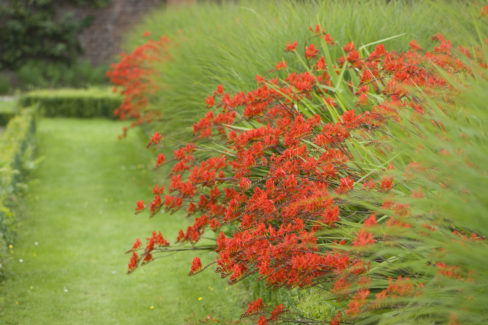
Crocosmia (also known as Montbretia) are absolute favorites for any garden. They’re not just stunning to look at; they’re also incredibly low-maintenance, making them perfect for pots and containers on your balcony or patio. If you’re looking to add some of these beauties to your space, here are a few tips to get them off to a great start.
Versatile Ways to Grow Them
Thanks to their upright growth habit, Crocosmia are super versatile. You can grow them:
- Directly in your garden beds for a pop of color.
- In pots and planters to brighten up your deck or terrace.
Finding the Perfect Spot
Before you start digging, take a second to think about the best location for your plants. Crocosmia absolutely love the sun and a bit of shelter from harsh winds. Generally speaking, the more sunlight they get, the more spectacular their blooms will be.
Whether you’re planting in the ground or a container, the soil needs to be loose and well-draining. These plants aren’t fans of “wet feet” (standing water). If you’re using pots, add a layer of gravel, expanded clay, or broken terracotta pieces at the bottom for drainage. If your garden soil is a bit heavy or clay-like, try mixing in some sand or grit to loosen it up.
When to Plant
The best time to get your Crocosmia in the ground is during the spring, usually around April or May. This gives the plant plenty of time to establish a strong root system before winter hits. If you bought pre-grown potted plants, you can technically plant them in late summer or fall, but you’ll definitely want to give them some extra mulch or frost protection.
How to Plant the Corms
Dig a hole about four inches (10 cm) deep, set the corm inside, and cover it well with soil. Make sure to give them some breathing room—spacing them about 12 inches (30 cm) apart is ideal so they don’t have to compete for nutrients as they grow.
Moving and Dividing Your Plants
If your Crocosmia doesn’t seem happy in its current spot, don’t be afraid to move it! These plants are also “heavy feeders,” meaning they use up soil nutrients quickly. It’s a good idea to move them to a fresh spot with nutrient-rich soil every few years. Just be careful when digging up the rhizomes so you don’t damage them.
Another cool thing? Crocosmia naturally produce “baby” corms on their rhizomes. This is the easiest way to propagate them. Simply dig up the clump, gently divide the corms, and replant them in new spots around the garden or in fresh pots. It’s basically free plants!