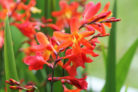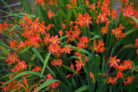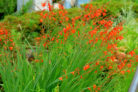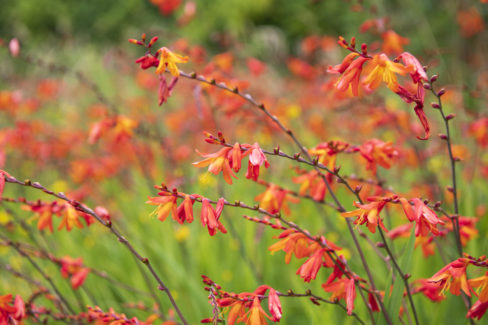
Crocosmia (also known as Montbretia) originally hail from the sunny, warm regions of South Africa, so they aren’t exactly natural-born fans of freezing temperatures. However, with a little extra TLC and the right protection, these beauties can actually stay in your garden year-round even in cooler climates.
Are Crocosmia Winter-Hardy?
Since they’re South African natives, Crocosmia generally aren’t built for deep freezes. That said, they are surprisingly tough and can usually handle temperatures down to about 10°F (-12°C). If you’re looking at a mild winter without much snow, your plants will likely be just fine. But if your local forecast is calling for a brutal, icy winter, it’s time to move these sensitive plants to a cozy winter shelter—especially if they are growing in pots.
How to Overwinter Your Crocosmia
Depending on your climate and your gardening style, there are two main ways to help your Crocosmia survive the winter:
- Leaving them right in the garden bed.
- Moving them to a protected indoor spot.
Overwintering in the Garden
If your Crocosmia are planted in the ground, they can usually stay there through the winter months. The trick is to give them a “winter coat.” Leave the withered foliage on the plant for now—don’t cut it back until spring, as it provides a natural layer of protection for the crown.
You’ll also want to add a thick layer of mulch using bark, compost, fallen leaves, or straw. This doesn’t just insulate the bulbs against hard frosts; it also helps maintain moisture levels and provides a slow release of nutrients back into the soil.
Overwintering Indoors
To play it safe (especially in very cold zones), you can dig up your Crocosmia and bring them inside. This is also the best move for any plants living in containers. Store the bulbs in a frost-free, dark spot over the winter—a dry basement or garage works perfectly.
When you dig up the bulbs, try to leave as much soil attached to them as possible. This helps keep them from drying out while they’re in storage.
Before tucking them away for the season, go ahead and trim the foliage down to just a few inches above the bulb. This allows the plant to focus all its energy on its “sleep” so it’s ready to sprout fresh and strong in the spring.
Protecting Young Plants
Just like us, Crocosmia need time to build up their resilience. Young plants or freshly planted bulbs haven’t developed their full hardiness yet, so they need extra attention during their first few years. Make sure they have a thick, permanent mulch cover throughout the fall and winter. Also, keep an eye out for those sneaky late-spring frosts—they can do a lot of damage to new growth if you aren’t careful!