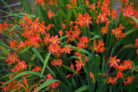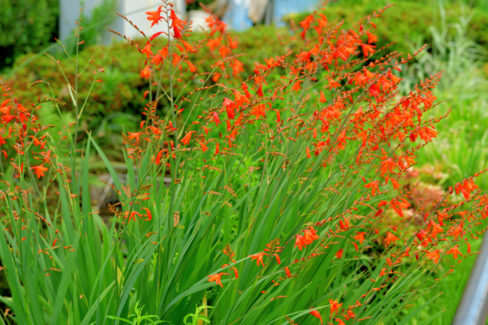
In the wild, Crocosmia (also known as Montbretia) are pretty self-sufficient. They keep their population going by dropping seeds and forming new root corms underground. But if you want to take the reins and expand your own garden display, you can easily propagate them yourself!
Ways to Grow More Crocosmia
If you’re looking to get more of these fiery beauties in your yard, you’ve generally got two paths you can take:
- Dividing the rhizomes (the easiest and most popular way)
- Starting them from seed
Propagating Crocosmia by Division
Naturally, Crocosmia plants are busy bees underground, constantly producing “baby” corms off their main root system. To help them along, just dig up the entire clump and gently pull these daughter corms away from the main plant. Just make sure each piece you plan to replant has at least one “eye” or a visible shoot so it knows how to grow.
Once you’ve got your sections, move them to their new spots in the garden or tuck them into pots. Give them plenty of water during those first few weeks to help them get established and feel at home.
Pro tip: Even if you don’t need more plants, it’s a good idea to divide them every few years anyway. New growth happens on the outside of the clump, while the center can get old and woody. If you notice your plants aren’t blooming as much as they used to, a quick division will usually perk them right up!
Growing Crocosmia from Seed
If you’re feeling a bit more patient, you can also grow Crocosmia from seed. Keep in mind that the plants don’t always produce seeds after they finish blooming, but if yours don’t, you can always pick up a packet at your local garden center.
Here’s how to get those seeds started:
- Soak your seeds in lukewarm water for a few hours to help soften them up.
- Sprinkle them into seed trays or pots filled with a good seed-starting mix. Crocosmia seeds are “light germinators,” which means they need sunshine to wake up—so don’t bury them! Just press them gently onto the surface.
- Place your pots in a warm, bright spot and keep the soil consistently moist (but not soggy).
- To keep the humidity up, you can cover the pots with a bit of plastic wrap. Just be sure to vent it daily so things don’t get moldy.
After a few weeks, you should see those first little sprouts popping up. Once they’re sturdy enough to handle, you can transplant them into their own pots or find them a permanent home right in your garden beds.