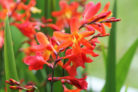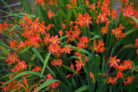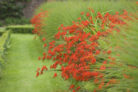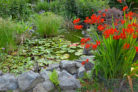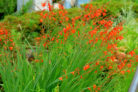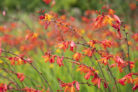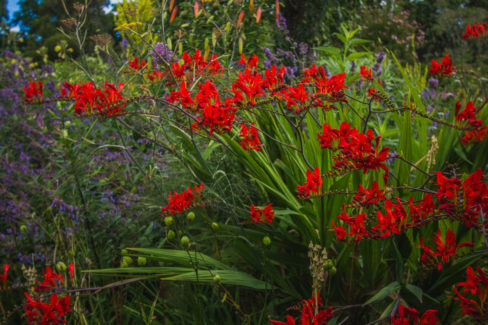
Crocosmia (also known as Montbretia) are absolute garden favorites, mostly because they put on such a spectacular show of color. When they’re happy, these summer bloomers light up the garden for weeks. However, every now and then, you might find your plants looking a bit green and leafy but totally lacking those fiery flowers.
Why Isn’t My Crocosmia Blooming?
If your blooms are a no-show, there are usually a few usual suspects behind the scenes. The most common reasons include:
- Less-than-ideal light or soil conditions
- The age of the plant
- Uninvited guests (specifically voles!)
Location and Care Issues
Most of the time, if a Crocosmia isn’t flowering, it’s because it’s not loving its environment. These plants really thrive in bright spots with plenty of sunlight and soil that is loose and rich in nutrients. Check out my guide on the perfect location for more tips.
If you’re growing yours in pots, keep a close eye on the drainage. “Wet feet” (standing water) is a death sentence for the roots and will definitely stop any flower production in its tracks.
The “Moving Day” Stress
Did you recently move your plants? A change of scenery can sometimes cause a “bloom strike” the following year. Transplanting is stressful for any plant, and yours might be focusing all its energy on settling into its new home rather than making flowers. Give it a little time to get its roots established; by next year, it should have the energy to show off again.
Age and Origin
Age matters! If you have young plants, don’t panic—they usually need two or three years before they’re ready to bloom for the first time. Even the pre-grown plants you buy at the nursery sometimes take a year off to adjust before they start flowering in your garden.
If you’ve propagated your Crocosmia from seed, you’ll need even more patience. Seed-grown plants are much slower to mature and can take quite a while to develop their first flower buds.
Voles: The Hidden Culprits
Sometimes the problem is underground. Voles absolutely love snacking on Crocosmia corms (the bulb-like roots). If these little critters chew on the roots, the plant won’t be able to pull up enough nutrients to produce flowers.
If you know you have a vole problem in your yard, your best bet is to plant your corms in wire planting baskets. These act like a little suit of armor, keeping the hungry rodents away while letting your plants grow in peace.