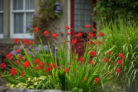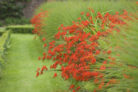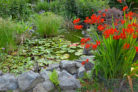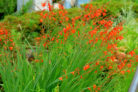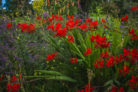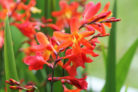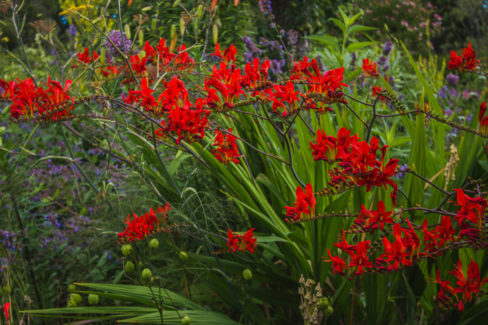
Originally hailing from the sunny landscapes of South Africa, Montbretia (also known as Crocosmia) aren’t exactly built for harsh northern winters. While they aren’t fully hardy in every climate, you can definitely keep them in the ground through the off-season if you give them a little extra TLC. The secret to success actually starts the moment you put them in the dirt!
Are Montbretia Winter Hardy?
Since Montbretia come from warm South African regions where the thermometer rarely dips below freezing, our freezing winters can be a bit of a shock to their system. That said, these tropical beauties are tougher than they look and can usually handle temperatures slightly below freezing. The catch? You’ve got to provide them with some solid winter protection to help them pull through.
Smart Bulbs: How They Protect Themselves
Nature is pretty amazing—Montbretia corms actually have a built-in survival tactic. When the temperatures start to drop, the bulbs naturally pull themselves deeper into the soil over time. It’s their own way of creating a natural shield against the frost lingering on the surface.
Setting Your Plants Up for Winter Success
You can give your Montbretia a massive head start on winter survival right when you’re planting them. To boost their natural hardiness, you’ll want to focus on three main things:
- Finding the perfect spot
- Prepping the right soil
- Getting the planting depth just right
The Ideal Winter-Ready Spot
Generally speaking, Montbretia love a warm, sheltered location. Picking a protected spot pays off big time when winter rolls around. I recommend planting them near a house wall or a stone garden wall. Stone acts like a natural radiator—it soaks up heat during the day and radiates it back out at night. Plus, the ground near a building stays significantly warmer and is much less likely to freeze solid compared to the middle of an open garden.
The Right Soil Mix
The quality of your soil can make or break your plants’ winter survival. You want loose, well-draining soil to prevent the dreaded “wet feet” (root rot). If your soil is a bit heavy, mix in some sand or gravel to improve drainage. You want rain and melting snow to drain away quickly so the roots aren’t sitting in an icy puddle, which is a surefire way to damage the plant.
Planting Depth Matters
When you’re tucking your Montbretia rhizomes into the ground, don’t be afraid to go deep. Aim for at least four inches (ten centimeters) deep to provide a solid buffer against the frost. Don’t worry about them being too deep—as the years go by, those clever bulbs will actually settle themselves even deeper into the earth!