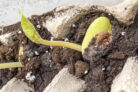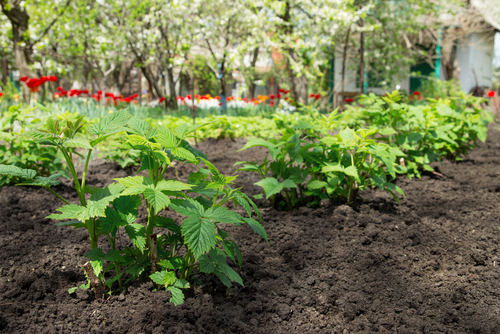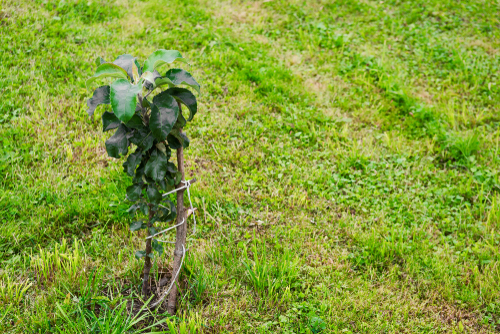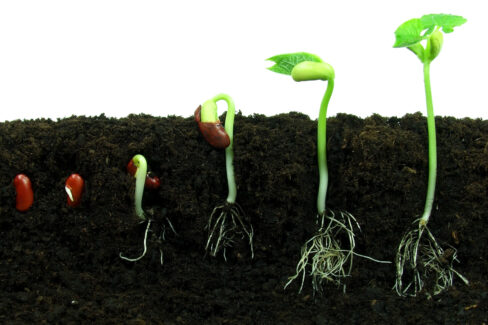
So, you’ve been busy pre-starting your scarlet runner beans indoors, and now that the threat of frost has passed in May, you’re ready to get them into the ground (or a balcony planter). It’s an exciting step, but you might be wondering how to give these little guys the best start possible. To make sure your hard work pays off with a lush, productive harvest, here’s everything you need to know about transplanting your runner beans!
Finding the Perfect Spot
Scarlet runner beans are total sun-worshippers. To really thrive, they need a bright, sunny location. Whether you’re planting them in a backyard garden bed or in pots on a sunny terrace or balcony, light is key. They can handle a bit of partial shade if they absolutely have to, but for the best results, aim for full sun. One more thing: try to pick a spot that’s sheltered from harsh winds so those delicate vines don’t get battered.
Prepping the Soil
Before you dig in, take a look at your soil. Runner beans are a bit picky—they want a “bed” that is well-draining, loose, and packed with nutrients. To help your young plants grow into impressive, heavy-bearing vines, make sure the soil is:
- Well-draining (no soggy feet!)
- Deep enough for roots to stretch
- Loose and crumbly
- Rich in organic matter
If you’re planting in containers, make sure your pots have plenty of drainage holes at the bottom so water doesn’t pool.
Tips for Successful Planting
Before you pop your seedlings into the ground, mix a little compost or organic fertilizer (like guano) into the soil to give them a nutrient boost. Dig a small hole, set your plant inside, fill it back in with soil, and give it a firm (but gentle) press to settle it. And of course, don’t forget to give them a good drink of water right away!
Spacing is also important. Generally, you want to keep about 8 to 16 inches between plants. However, if you’re growing runner beans as a privacy screen, you can plant them a bit closer together to create a nice, thick wall of green.
Finally, remember that these beans love to climb! You’ll need to provide a sturdy support system from day one. Here are a few great options:
- Bamboo poles arranged in a teepee shape
- Wooden trellises
- Garden obelisks or pillars
- Fences
- Lattice panels
- Heavy-duty twine or netting