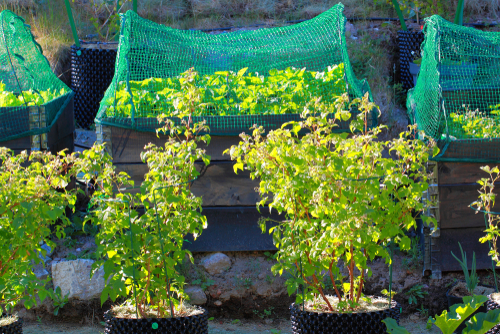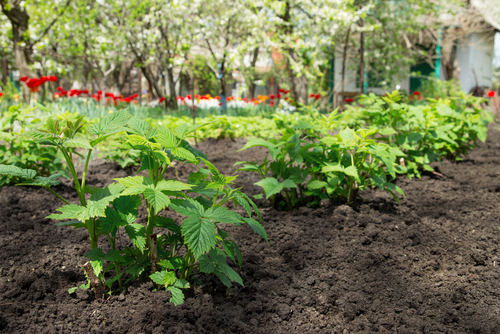
Fall raspberries are quickly becoming just as popular as the summer varieties, and honestly, it’s easy to see why! They are way lower maintenance and much more resistant to pests and diseases. If you’re looking to add some to your garden, here’s everything you need to know about getting them in the ground.
Location and Soil Requirements
Whether you’re planting summer or fall varieties, raspberries are total sun-worshippers. You’ll want to pick a spot with full sun to ensure those berries grow up plump and sweet. While they *can* grow in partial shade, you’ll likely end up with smaller, more tart fruit—and nobody wants that!
You should also try to find a spot that’s protected from harsh winds, as raspberry canes can be a bit sensitive to breezy conditions. As for the soil, fall raspberries love a loose, well-draining spot. Avoid heavy, compacted clay if you can. They really thrive in nutrient-rich, loamy soil packed with organic matter; that’s the secret to a fast-growing plant and a massive harvest.
When and How to Plant Fall Raspberries
The absolute best time to get your fall raspberries in the dirt is during the autumn months. The weather is cooler, the soil is usually nice and moist, and it gives the plants plenty of time to establish their roots before winter hits. That said, you can also plant them in the spring, and they’ll still have enough time to settle in.
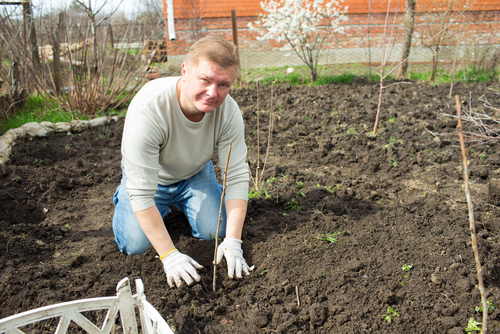
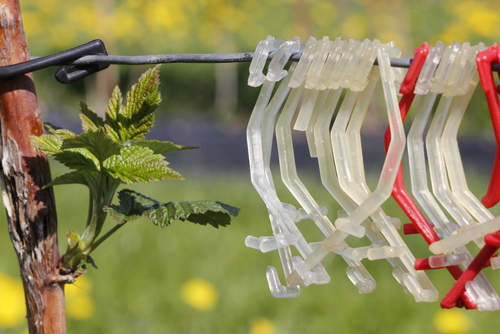
Before planting, loosen up the soil well. When you’re ready to plant, make sure you don’t bury them too deep. Gently firm the soil down with your feet and give them a good soak. It’s also a smart move to set up a trellis or support system right away. As those canes grow taller, you’ll want to tie them to the frame to keep them upright.
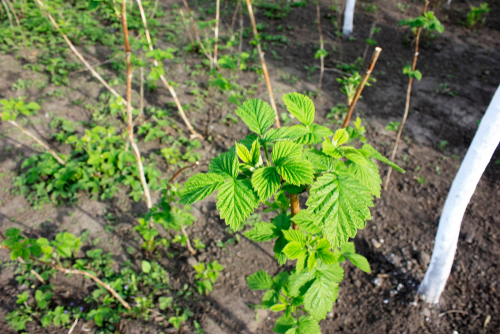
If you’re planting several bushes, space them about 20 inches (50 cm) apart. If you’re going big and planting multiple rows, leave about 5 feet (1.5 meters) between the rows. This gives you plenty of elbow room to move around when it’s time to harvest.
Harvesting and Propagating Fall Raspberries
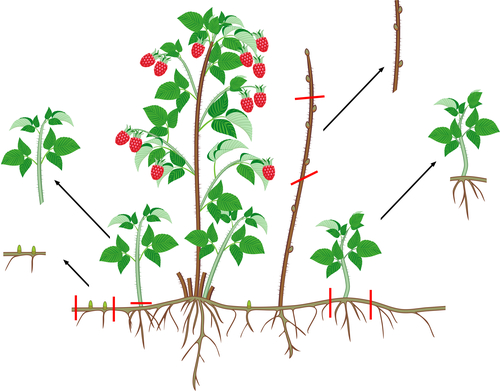
Fall raspberries usually start ripening in August, and you can keep picking them right up until the first frost. If you fall in love with your crop and want more, you can actually propagate them yourself! You’ve got a few options:
- Layering,
- Root suckers/runners,
- Seeds.
Just a heads-up: growing them from seeds isn’t usually the way to go because it takes forever before you’ll see your first berry. Sticking with runners or layering is a much faster track to more delicious fruit!