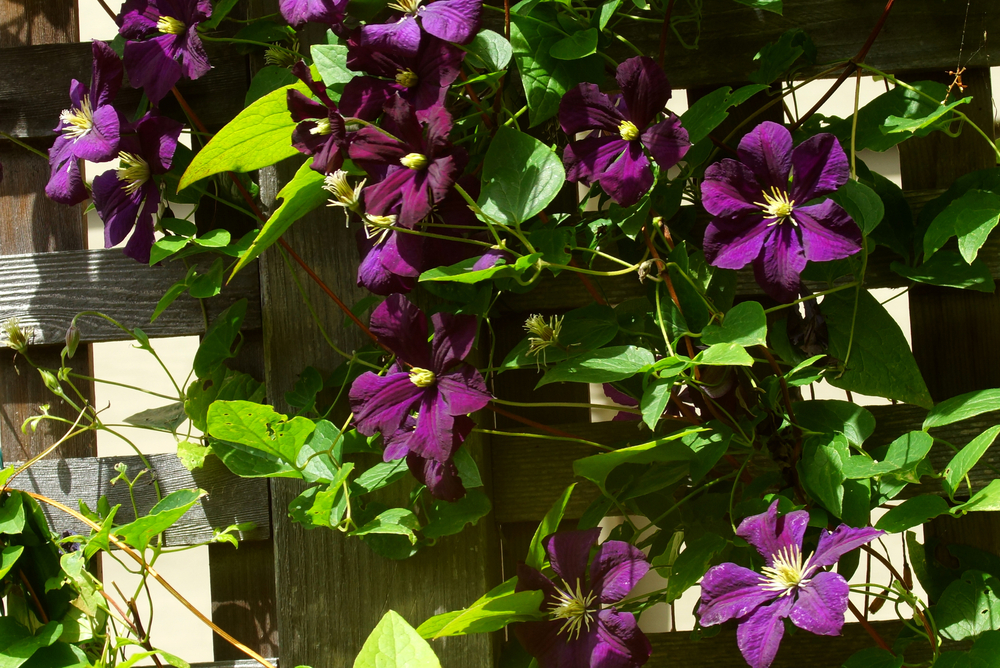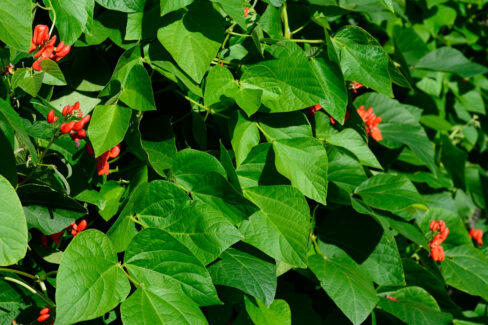
If you’re looking for a plant that grows at lightning speed, look no further than the scarlet runner bean. When these beauties are happy with their spot in the garden, they take off like crazy! Their fast-growing, towering vines produce gorgeous flowers and delicious edible pods, making them the ultimate “double threat” in the garden. They aren’t just for eating—they are one of the best natural privacy screens out there. Here is everything you need to know about using scarlet runner beans to create your own backyard oasis.
Fast-Growing and Lush: The Perfect Privacy Screen
Scarlet runner beans are a total game-changer for privacy. These vines can climb up to 20 feet high, winding their way around almost anything, from balcony railings to garden trellises. Plus, they grow thick, dense foliage that’s perfect for blocking out nosy neighbors.
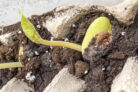
In the first two weeks after planting, you’ll see about a foot of growth. But just five weeks later? They can easily hit the six-foot mark. The most important thing to remember is that these beans are climbers—they *need* a support system to do their job as a privacy screen.
Give Your Plants Something to Climb On
Before you even get your seeds in the ground, you’ll want to have your support structure ready to go. It’s much easier to set it up beforehand than to try and install it once the vines are already searching for a home. Great options for climbing supports include:
- Garden obelisks or towers
- Fences
- Balcony railings
- Tensioned twine or wire
- Pergolas
- Sturdy poles or stakes
- Wooden trellises
Getting the Spacing Just Right
To get that “living wall” effect, you have to nail the spacing. When you’re growing them specifically for privacy, you’ll want to plant them a bit closer together than you would in a traditional vegetable patch—but not so close that they choke each other out.
For a solid green screen, aim for a spacing of about 8 to 15 inches between plants. Anything wider than 15 inches might leave gaps in your coverage, while anything closer than 8 inches might be a bit too crowded for the plants to thrive.