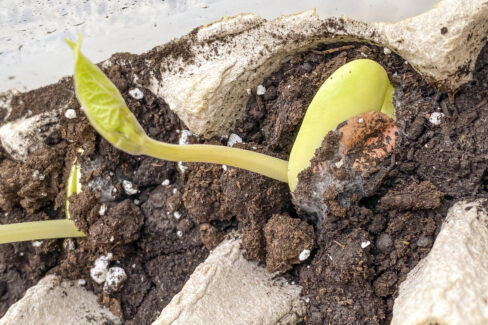
Whether you’re dreaming of a big harvest of runner beans or just want a lush, leafy privacy screen for your balcony, starting your seeds indoors is the way to go. Getting a head start inside means you’ll see those beautiful blooms and tasty pods much sooner than if you waited for the ground to warm up.
Timing is Everything
I know it’s tempting to get your hands in the dirt as soon as spring hits, and some over-eager gardeners start as early as March. However, I’d recommend holding off until mid-to-late April. These plants grow incredibly fast, and since they can’t safely go outside until the frost is gone in late May, you don’t want them taking over your living room too soon!
How to Start Your Runner Beans: Step-by-Step
- First, give your beans a “spa day.” Soak them in water for 12 to 48 hours before planting to help soften the shell and speed up germination.
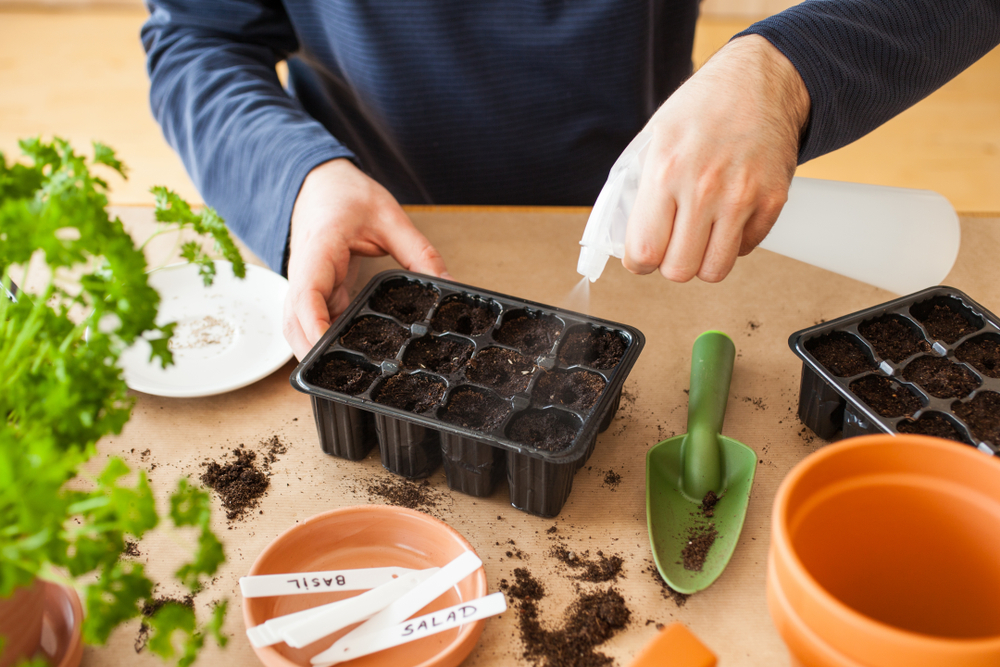
- Fill small pots (about 2 to 3 inches wide) with a good quality seed-starting mix.
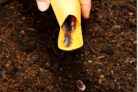
- Plant the seeds about an inch deep. Pro tip: place them with the “eye” (the hilum) facing upward.
- You can plant three to five seeds per pot for a nice, full cluster.
- Keep the soil consistently moist—don’t let it dry out!
- Find a bright, warm spot on a sunny windowsill for your pots.
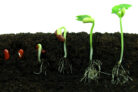
- If you keep them warm and damp, you should see sprouts popping up in anywhere from 4 to 14 days.
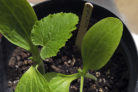
Once those first little leaves (the cotyledons) appear, you can start taking your babies outside during the day. This “hardening off” process helps them get used to direct sunlight and prevents them from getting leggy. After about three or four weeks—once the threat of frost has passed in May—they’ll be ready to move into their permanent home in the garden.
Why Bother Starting Indoors?
Sure, you can sow runner beans directly in the garden starting in mid-May, but those plants will take a lot longer to flower and fruit. By starting them early, you’re essentially fast-tracking your harvest. Plus, there’s a huge bonus: bigger seedlings are much tougher against hungry slugs and snails that love to snack on tiny, vulnerable sprouts!