
Dealing with those dry, shady spots in the garden can be a real headache, right? It’s that tricky “dry shade” where the soil stays thirsty under a thick canopy of trees. But don’t give up on those bare patches just yet! With the right plant choices, you can turn those gloomy corners into lush, green retreats. Here are seven of my favorite plants for dry, shady soil, plus a little “insider tip” at the end.
[[pflanzen]]
++Yellow Archangel (Lamium galeobdolon)
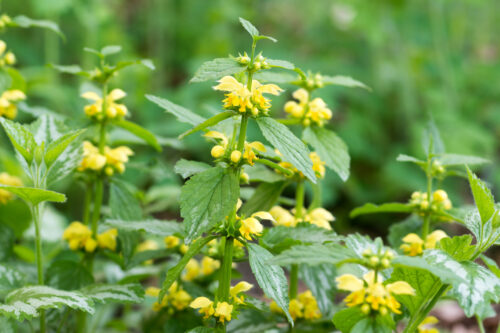
In shady spots where almost nothing else survives, Yellow Archangel steps up to the plate. It covers the ground with beautiful semi-evergreen foliage that features striking silver markings. Starting in May, this perennial shows off bright yellow flower spikes that are a total magnet for bees and other pollinators. Yellow Archangel grows sturdy stems and can reach about 24 inches in height. It’s incredibly hardy, low-maintenance, and feels right at home under trees, giving your garden a lovely “wildflower” vibe.
++Coral Bells (Heuchera)
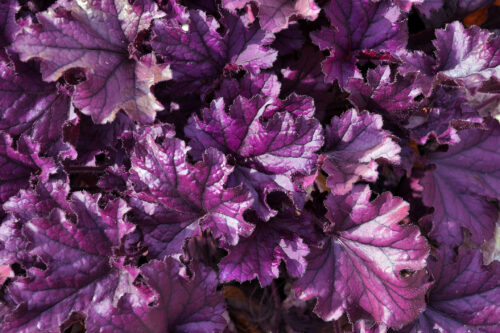
If you love foliage, Coral Bells are a must-have. They feature silky, heart-shaped leaves that, in milder climates, stay colorful all winter long. From May to August, they send up delicate white or pink flower wands that look like they’re floating above the leaves. For drier spots in light shade, I recommend the varieties with lighter leaf colors—they fill in bare spots quickly and create gorgeous, dense mounds of color.
++Hosta (Plantain Lily)
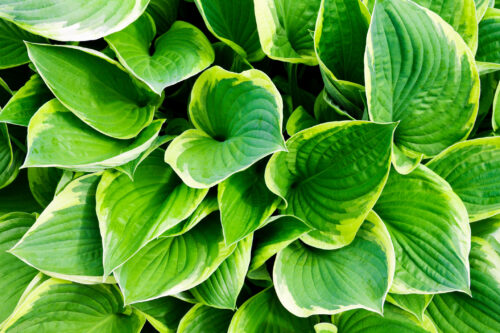
Hostas are the undisputed kings of the shade garden, loved for their fascinating leaf colors and textures. There are so many different varieties to choose from, and they all thrive in cool, shady spots. Since their roots don’t spread aggressively and they grow at a steady pace, they play well with other plants. They really appreciate the cooler air and humidity found under a tree canopy. In mid-summer, look forward to their pretty, pale violet flower stalks.
++Barrenwort (Epimedium)
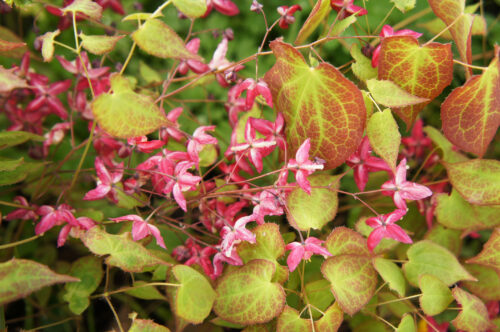
Don’t let the delicate look fool you—this plant is tough as nails. Often called “Fairy Wings” because of its dainty flowers that seem to dance over the foliage, Barrenwort is a champion of dry shade. The flowers come in white, yellow, pink, red, or violet. They spread via runners and can even handle the “root competition” from large established trees. They’re perfect for creating a thick, attractive carpet of leaves in those “impossible” garden spots.
++Hardy Geranium (Cranesbill)
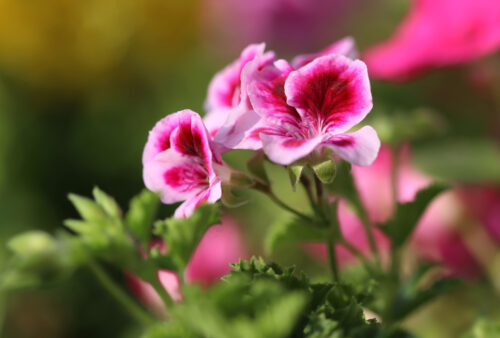
Hardy Geraniums are some of the most versatile perennials you can find. They are incredibly adaptable and will bloom their hearts out even in full shade and dry soil. Many varieties are semi-evergreen, keeping your garden looking tidy even in the winter. The flowers range from white and pink to deep blue and violet. Some even have contrasting centers, creating a really cool “bi-color” effect in the shade.
++Comfrey (Symphytum officinale)
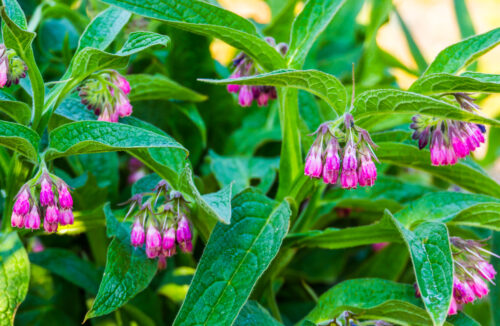
Hot summers, freezing winters, deep shade—Comfrey takes it all in stride. It’s a fast grower that can reach up to 30 inches tall. Just a heads-up: it’s a vigorous grower and can self-seed or regrow from small root pieces, so plant it where you really want it to fill in! Starting in June, it produces clusters of bell-shaped flowers in shades of white, pink, or purple. It’s a rugged, reliable choice for tough spots.
++Christmas Rose (Helleborus niger)
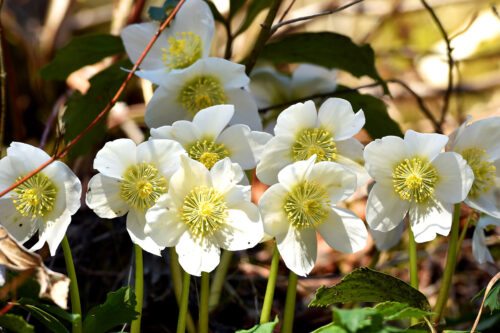
To keep those stunning blooms looking fresh as long as possible, give your Christmas Rose a spot in the shade. Depending on the weather, you might see buds as early as January! The large, snowy white flowers with bright yellow centers are a real treat during the winter months. Plus, the leathery, deep green leaves stay on the plant year-round, making it a fantastic evergreen groundcover for the rest of the season.
%%Solomon’s Seal (Polygonatum multiflorum)
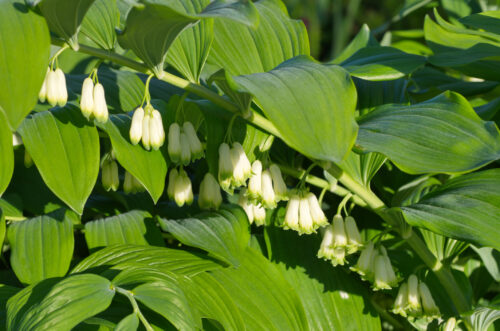
Here is my “insider tip”: Solomon’s Seal is an elegant, architectural perennial that absolutely loves the shade. It features graceful, arching stems with oval leaves that look great in a vase, too. From May to June, little white bell-shaped flowers hang in a row underneath the stems, giving off a subtle, sweet almond scent. After the flowers fade, they turn into dark blue berries that provide a beautiful contrast against the green leaves.