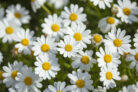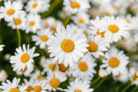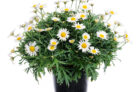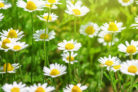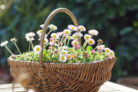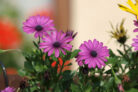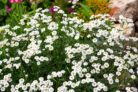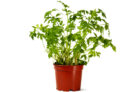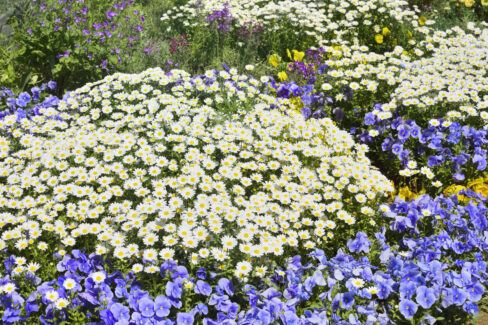
Daisies (or *Bellis perennis*) are the ultimate mood boosters! These little beauties are super low-maintenance and bloom for a long time, making them a garden favorite. However, if you want them to really live up to their potential, you’ve got to make sure you’re putting them in the right soil—whether they’re in a garden bed or a patio pot.
Cultivated Varieties
There are several cultivated varieties of English Daisies that you can plant out in your garden or grow in containers on your balcony.
Soil and Substrate
Cultivated daisy hybrids thrive in soil that is:
- Well-draining
- Loamy
For potted daisies, standard high-quality potting soil works just fine. The most important thing is to make sure your pot has a drainage hole. I also recommend adding a drainage layer of broken terracotta shards or gravel at the bottom so excess water can flow out easily. These hardy little plants definitely don’t like getting “wet feet” (soggy roots)!
If you’ve bought pre-grown daisies from a nursery, you can transplant them directly into your flower beds or balcony boxes right away.
Wild Varieties (Common Lawn Daisies)
The original wild form of the daisy—the ancestor of all those fancy cultivars—is usually something you’ll grow from seed.
Soil and Substrate
In the garden, these wild daisies prefer soil that is:
- Nutrient-rich
- Consistently moist
If you’re growing them in containers, regular potting mix is perfect. You can sow the seeds outdoors anytime from March through July. If you’re planting in a pot, just drop three or four seeds in, depending on the size of the container.
Potted daisies love a spot with full sun or partial shade. If they’re in the ground, they’ll be happiest in a nice, sunny location.
Other Daisy Look-alikes
Besides the classic English Daisy, there are a few other plants that share the name and look. You might run into:
- The Blue Daisy (Australian Daisy)
- The Santa Barbara Daisy (Mexican Erigeron)
Both of these varieties are sun-worshippers. If they’re stuck in a spot that’s too shady, they won’t produce nearly as many flowers.
Soil and Substrate
In the garden, both of these varieties need well-draining soil. If your garden soil is a bit heavy or clay-like, try mixing in some sand or fine gravel to loosen it up. For balcony pots, standard potting soil is fine, but I’d still suggest mixing in a little sand or expanded clay pebbles to improve aeration. To prevent root rot, make sure your pot has drainage holes and a layer of gravel or pottery shards at the bottom.
One quick tip: These specific varieties aren’t frost-hardy, so wait until mid-May (after the last frost) to move them out into the garden!