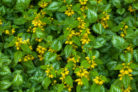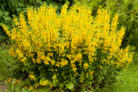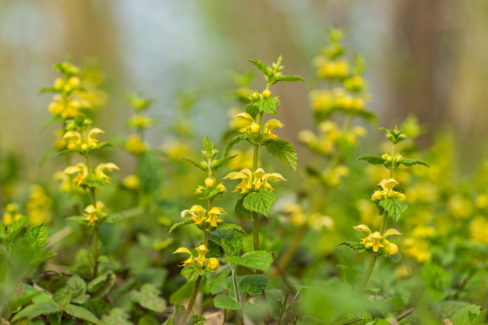
The Yellow Archangel (Lamium galeobdolon) is a charming perennial that calls the temperate regions of Europe and Asia home. While many gardeners love it as a reliable groundcover, it’s actually a triple threat: a beautiful ornamental, a tasty wild edible, and a handy herb for your natural medicine cabinet.
- Family: Lamiaceae (Mint family)
- Genus: Lamium (Dead-nettles)
- Light: Prefers full to partial shade
- Growth Habit: Herbaceous, spreading groundcover
- Height: Up to 24 inches (60 cm)
- Flower Color: Golden to pale yellow
- Bloom Time: April to July
- Sowing: March to April
- Perennial: Yes
- Hardiness: Fully winter-hardy
Cooking with Yellow Archangel
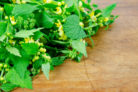
One of the coolest things about this plant is that practically every part of the Yellow Archangel is edible. Just like its cousins in the nettle family, the leaves make a fantastic “wild spinach”—try them sautéed as a side dish or tossed into a spring soup. If you have a sweet tooth, pluck the flowers! The calyxes are loaded with nectar, giving them a sugary flavor that makes for a beautiful (and delicious) garnish on desserts. Even the roots are edible once they’ve been cooked up.
Natural Remedies
Beyond the kitchen, Yellow Archangel leaves make a wonderful herbal tea. When you brew them fresh, the leaves release antibacterial and anti-inflammatory compounds. Sipping on a cup of this tea is a traditional way to find relief from a variety of ailments, including:
- Cold and flu symptoms
- Digestive issues
- Swelling and inflammation
- Itchy skin
- Skin conditions
- Gout
Growing and Care Tips
In the wild, you’ll mostly find Yellow Archangel hanging out along the edges of forests. To make it feel at home in your garden, pick a spot with partial to full shade. It loves rich, moist soil—and don’t worry too much about overwatering; this plant is a thirsty one and isn’t particularly prone to root rot in damp conditions.
Overall, it’s an incredibly low-maintenance plant with a generous bloom time stretching from April through June. You usually won’t need to worry about fertilizer, and pruning is strictly optional. You really only need to break out the shears if it starts spreading further than you’d like!