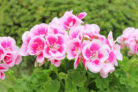
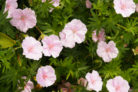
If you’re looking for a plant that’s as versatile as it is beautiful, look no further than the Cranesbill Geranium. With over 400 species found all over the globe—from temperate zones to the tropics—there is a Geranium for just about every corner of your yard. While they come in many shapes and sizes, they all share those signature, delicate cup-shaped flowers that gardeners absolutely adore.
Cranesbill Geranium: Fast Facts —
Hardy Geraniums are a staple in ornamental gardens, and for good reason! They offer lush blooms and make fantastic groundcovers. Whether you have a sunny border or a tricky shaded spot, these robust plants are ready to step up.
- Botanical Name: Geranium
- Family: Geraniaceae
- Origin: Found worldwide, though they definitely prefer temperate climates.
- Hardiness: Perennial and very winter-hardy.
- Height: Ranges from 6 inches to about 30 inches tall.
- Growth Habit: Bushy mounds, herbaceous cushions, or creeping groundcovers.
- Flowers: Abundant blooms in cup, wheel, or saucer shapes.
- Scent: Depending on the variety, they can be lightly to strongly aromatic.
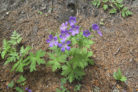
- Colors: Shades of blue, purple, pink, magenta, or pure white.
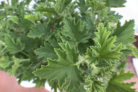
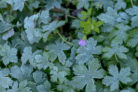
- Foliage: Deeply lobed, vibrant green rosettes that often look great even when the plant isn’t blooming.
- Bloom Time: Varies by species; most start in June or July, while some late-bloomers wait until September or October.
- Seeds: They produce schizocarps (seed pods) that “launch” seeds to help the plant spread naturally.
- Planting Season: Best planted in the spring or fall.
- Spacing: Give them about 8 to 16 inches of room to spread out, depending on how vigorous the variety is.
Location and Soil Needs —
Because there are so many species, their “happy place” can vary. Some Geraniums crave full sun to partial shade, while others are the perfect solution for those deep-shade areas under trees. While you should check the specific needs of your variety, most thrive in loamy, humus-rich soil. Some like to stay consistently moist, while others are surprisingly drought-tolerant once established. The one golden rule? Avoid “wet feet”—good drainage is a must to prevent root rot.
Care and Garden Use —
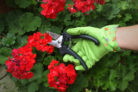
The best part about Cranesbill? They are incredibly low-maintenance. Usually, a little fertilizer in the spring and a quick trim after the first flush of flowers is all they need. For early-blooming types, cutting them back often encourages a second round of flowers later in the season. For the late-bloomers, just cut them back to a few inches above the ground in the fall to get them ready for winter.
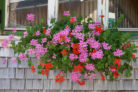
In the garden, these plants are total workhorses. Use them as a flowering carpet under shrubs, as a focal point in a perennial bed, in rock gardens, or even in containers on your patio or balcony.