Looking for a delicious harvest without a ton of extra work? These popular European plum varieties (often called “Zwetschgen” in Germany) are known for being low-maintenance and high-reward. Here’s a breakdown of what each variety brings to your backyard orchard.
[[pflanzen]]
++Zimmer’s Early (Prunus domestica “Zimmers Frühzwetschge”)
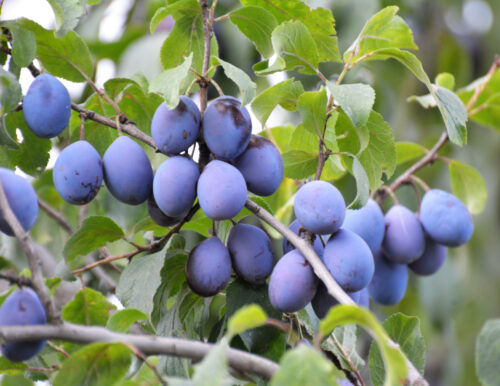
If you’re impatient for that first taste of summer, this is the tree for you. It produces small, dark fruits that are ready to pick as early as August. Just a heads-up for your planning: this variety isn’t self-pollinating. You’ll need to plant another plum tree nearby to ensure you actually get a harvest!
++Hanka (Prunus domestica “Hanka”)
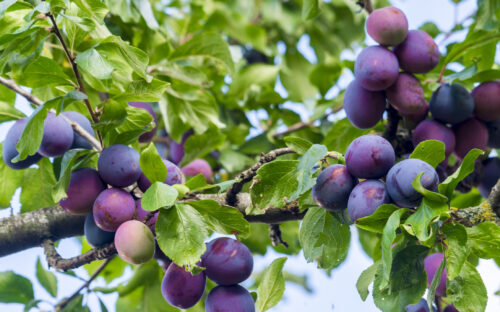
Hanka is a real overachiever, often ready for harvest starting in July. The plums have a beautiful deep blue skin with a light, dusty bloom that makes them look as good as they taste. They have a lovely sweet aroma and a firm texture, making them a top-tier choice for baking into tarts or plum cakes.
++Ersinger Early (Prunus domestica “Ersinger Frühzwetschge”)
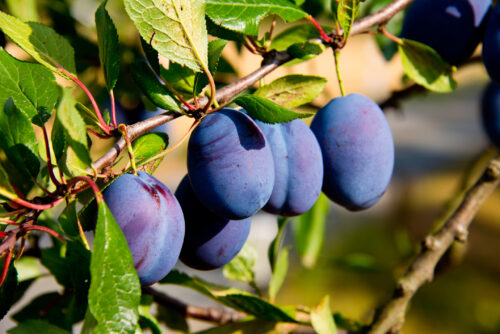
A favorite in Southern Germany, the Ersinger Early is a fantastic pick for smaller suburban gardens. It’s a generous producer, giving you sweet, aromatic fruit in waves right through August. One thing to keep in mind: if you live in a particularly rainy climate, the yield might be a bit lower, as it prefers slightly drier conditions during ripening.
++Elena (Prunus domestica “Elena”)
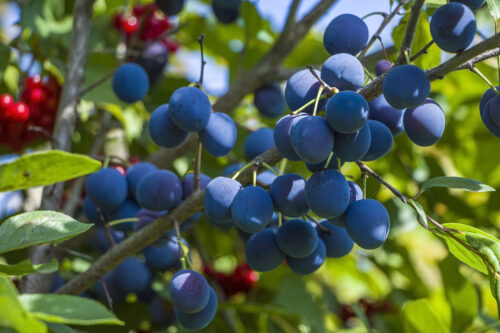
If you want a “set it and forget it” kind of tree, Elena is a strong contender. It’s highly resistant to common diseases, so you won’t have to stress nearly as much about fungi or pests. The plums are impressively large and juicy, which is exactly why so many home gardeners swear by this variety.
++Common European Plum (Prunus domestica “Wegierka zwykla”)
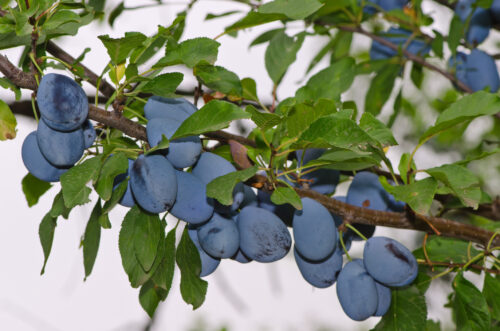
Known in Europe as the “Hauszwetschge,” this is the classic heirloom plum. It ripens a bit later than the others, but it’s worth the wait. It’s incredibly versatile—perfect for drying into prunes or throwing into a pie. Just be aware that while it’s a traditional favorite, it can be a bit more susceptible to the Sharka virus (plum pox) than some modern hybrids.
++Presenta (Prunus domestica “Presenta”)
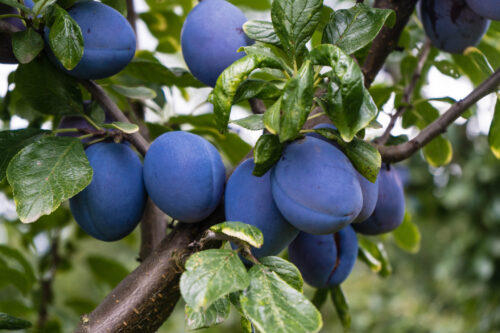
Presenta is the “tough guy” of the plum world. It has a high natural resistance to the viruses that plague other varieties, especially Sharka. The best part? The pits pop right out of the flesh. This “freestone” quality makes them a dream for snacking fresh or for quick processing when you’re making a big batch of jam.
++Hanita (Prunus domestica “Hanita”)
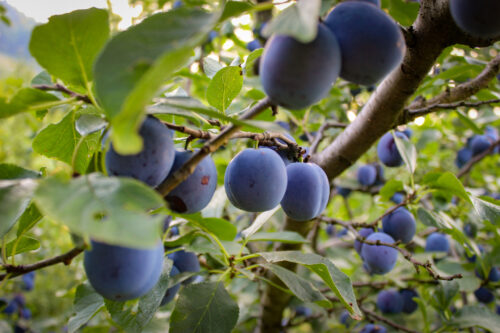
Developed about forty years ago, Hanita has become a staple because it’s so adaptable. It’s self-pollinating, so it’s a great choice if you only have room for one tree. You can expect a sweet, fruity harvest throughout August and September—perfect for enjoying those last warm summer afternoons in the garden.
%%Katinka (Prunus domestica “Katinka”)
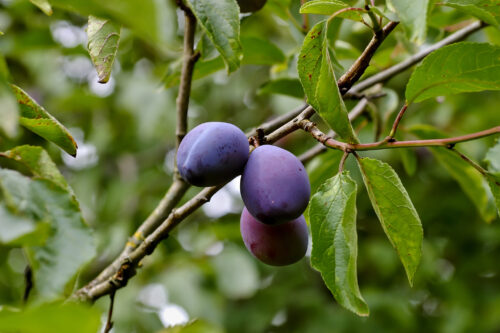
Katinka is another early-season winner, often ready by mid-July. If you plant it in a sunny spot, the fruit develops a high sugar content and a gorgeous yellow-green interior. Not only are the plums delicious, but the tree itself is quite attractive, making it a double-win for your landscape’s curb appeal.