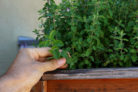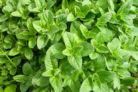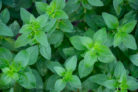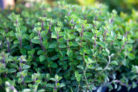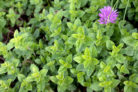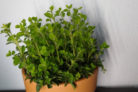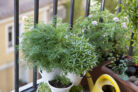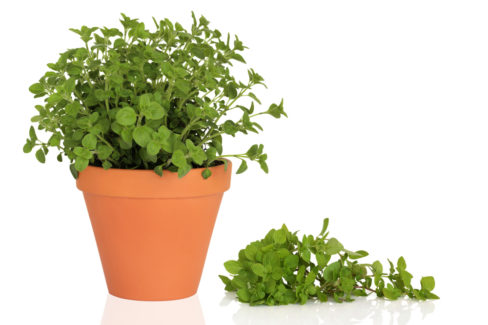
The smallest possible garden for oregano is actually just a simple pot! This herb is perfectly happy living in a container, as long as you give it a little TLC. If you can provide plenty of sunshine, you’re looking at a summer full of rich, flavorful harvests.
The Right Pot and Soil
In a tiny pot, your oregano is going to stay tiny—and that’s probably not what you’re going for. To let it thrive, choose a pot that is at least 12 inches (30 cm) in diameter. Here are a few other things to keep in mind:
- Make sure there’s a large drainage hole.
- Add a drainage layer of expanded clay, gravel, or broken pottery shards at the bottom.
- Use a high-quality herb or vegetable potting mix, loosened up with a bit of sand.
Buying or Propagating a Hardy Plant
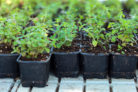
Once your pot is ready, you need a plant. You’ve got a few options here. If you’re buying one, I highly recommend heading to a local garden center rather than the supermarket. Grocery store herbs are often forced to grow super fast; they’re meant for immediate use and often struggle to keep growing once you get them home to your balcony or patio.
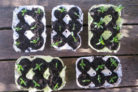
You can also propagate oregano yourself! It works beautifully by dividing an existing plant, taking cuttings, or starting from seed.
Quick Tip:
Whether you bought your plant or started it indoors, make sure to “harden it off” by introducing it to direct sunlight gradually. If you move it into the scorching sun too fast, the leaves can get sunburned and turn brown.
Finding a Sunny Spot
Oregano is a sun-worshiper. It loves warmth and light, so your potted plant needs a location with plenty of rays. Indoors, a south-facing windowsill is the place to be. Outdoors, a south-facing balcony is ideal, though east or west can work too. Just avoid the north side—there’s simply not enough sun there for a happy herb.
Watering and Feeding
While oregano prefers soil on the drier side, you do need to water it every now and then since pots dry out faster than the ground. During long heatwaves, don’t let the soil turn into a desert.
- Water once the top layer of soil feels dry.
- Water more in the summer, less in the winter.
- Avoid waterlogging at all costs.
- Empty the saucer under the pot shortly after watering.
- Try to water in the morning.
- Tap water is totally fine—oregano actually likes a bit of lime!
If you’ve just repotted into fresh soil, you don’t need to worry about fertilizer for about a year. After that, a little organic slow-release fertilizer in the spring will do the trick.
Harvesting Your Homegrown Herbs
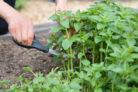
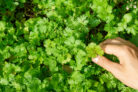
You can snip off individual stems whenever you need them. However, the “big harvest” should happen right when the plant is flowering, as that’s when the essential oils and aroma are at their peak. Cut the stems about a hand-width above the soil. If you can’t use it all fresh, oregano (flowers and all!) is great for drying or freezing.
Winter Care for Potted Oregano
Before the first frost hits, it’s best to bring your pot indoors. If you want to overwinter it outside, move it to a sheltered spot and wrap the pot well with garden fleece or burlap to protect the roots from freezing.