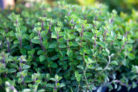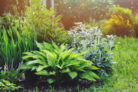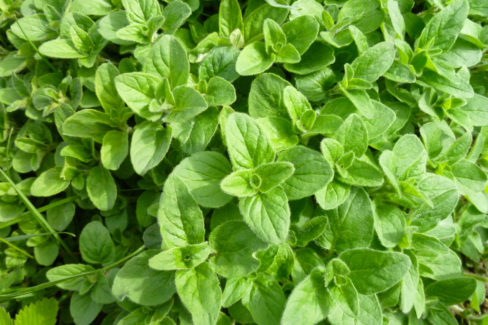
Morning sun, midday sun, and a generous second helping of sun in the evening—that’s pretty much the dream scenario for this Mediterranean herb. Because it craves the heat, you can’t just stick it in any old corner of your yard. Whether you’re growing it in the garden, on the balcony, or inside on a windowsill, the direction it faces makes all the difference.
Finding That Perfect Sunny Spot
It doesn’t matter if you’re planting oregano directly in a garden bed or keeping it in a pot on the balcony or windowsill—sunlight and warmth are non-negotiable. While the herb can survive in partial shade, it won’t be nearly as lush or vigorous.
- Choose a south-facing garden bed whenever possible.
- Dedicated herb gardens and rock gardens are ideal spots.
- Make sure there aren’t any large plants nearby casting shade on it.
- Potted oregano thrives best on a south-facing balcony.
- Indoors, a south-facing windowsill is your best bet.
- West- or east-facing spots can work as a backup.
Pro Tip:
Oregano basically drinks up light and heat and converts it into flavor. The sunnier the spot, the more aromatic and delicious your harvest will be!
Prepping the Site for Winter
Since oregano is a perennial, it doesn’t need to move indoors for the winter; it can usually overwinter right where it is. However, different oregano varieties have different levels of cold hardiness. To help your plants survive the chill, try these protective measures:
- Cover the soil around the roots with a thick layer of dry leaves.
- Protect the plant itself with some evergreen brush or twigs.
- Wrap pots in burlap or garden fleece.
- Move containers to a spot protected from harsh wind and heavy rain.
Pro Tip:
If you have a bright, frost-free room (like a sunroom or unheated garage with a window), that’s a great alternative winter home. You can bring your potted oregano inside as soon as the first frost is in the forecast.
Soil Quality Matters
Sun and water are great, but they aren’t the whole story—the soil needs to bring something to the table, too. In the wild, oregano grows in dry meadows, so it’s perfectly happy in dry, slightly alkaline, or nutrient-poor soil. The biggest “no-no” is soggy feet. If your garden has heavy clay soil, be sure to mix in some sand to improve drainage, as oregano is very sensitive to standing water.
A Quick Note for Bee Allergies
When oregano is in bloom during the summer, it’s a total bee magnet. If you or someone in your home has a bee sting allergy, keep this in mind when choosing a location. You’ll want to keep the plant away from doors, windows, or high-traffic seating areas. Alternatively, you can simply pinch off the buds before the flowers open.