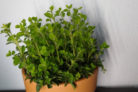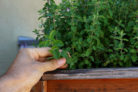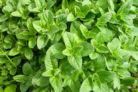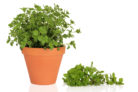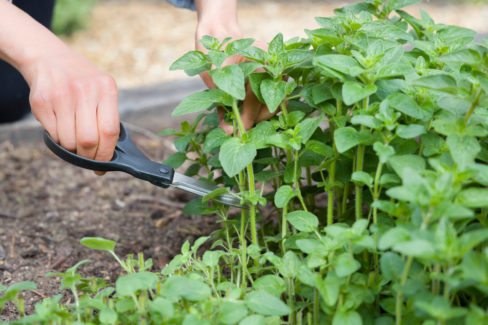
Some gardeners see it as a chore, while others find it totally therapeutic. Either way, pruning your oregano is a must if you want a healthy plant and the best flavor for your kitchen. The trick is all about the timing and knowing exactly where to make the cut.
The Pre-Season Cutback
If you leave oregano to its own devices, the stems will eventually turn woody. When that happens, you’ll only get new growth at the very tips, leaving the bottom of the plant looking sparse and leggy. Since we’re after those tender, flavorful green stems, a “rejuvenation prune” at the start of the growing season is key.
- In early spring, right before the new growth starts, cut back all the stems.
- Aim for about a hand’s width above the ground.
- Be careful not to cut into the old, hard wood.
- This encourages the plant to grow back lush and bushy.
- Pro tip: You can also do this cleanup in late fall if you prefer.
Harvesting for Daily Use
Let’s be honest—oregano is a kitchen staple year-round. Luckily, this herb is a fast grower and handles regular trimming like a champ. Here’s how to keep a steady supply of fresh sprigs coming:
- The harvest season kicks off once the risk of frost has passed.
- This is usually around April.
- You’ll have fresh green stems available all the way through fall.
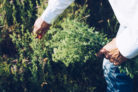
- Always harvest the entire stem rather than just plucking leaves.
- Cut about 4 inches (10 cm) above the ground, just above a pair of leaves.
- Again, stay away from the woody base of the plant.
Quick Tip:
If you want your perennial oregano to survive the winter successfully, stop harvesting after it finishes blooming. This lets the plant store up enough energy to make it through the cold months.
Harvesting for Preserving
If you’re growing oregano in pots or in your garden, you definitely shouldn’t skip out on stocking up for winter. Interestingly, oregano actually gets more intense after drying! It also holds up great if you decide to freeze it. If you’re planning to preserve your harvest, wait for the “sweet spot” of the year:
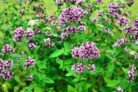
- Harvest for preserving while the plant is in bloom.
- Depending on the variety, this usually happens in June or July.
- This is when the essential oils are at their peak concentration.
- Snip your stems on a sunny morning after the dew has dried.
- Cut just above the woody section, right above a leaf node or branch.
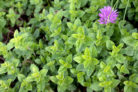
- Don’t toss the flowers! They are just as edible and flavorful as the leaves.
Summer Maintenance
If your regular cooking harvests aren’t enough to keep the plant in check, you might need to do some maintenance pruning. If you don’t have a use for the extra clippings, you can compost them or use them for propagation. It’s also a good idea to trim off fading flowers before they drop seeds, otherwise, oregano can get a bit “wild” and take over your garden bed.
Dealing with Pests and Disease
Even tough herbs like oregano deal with the occasional bug or disease. Because it grows so vigorously, the best first response is often a radical haircut. Cut the plant back hard and toss the affected clippings in the trash (not the compost!). Don’t forget to disinfect your shears afterward. In fact, it’s a great habit to clean your garden tools before and after every use to keep your plants happy and healthy.