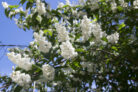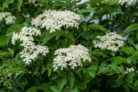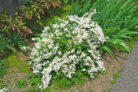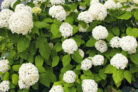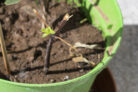
Often called the “Slender Deutzia” or “Mayflower Bush,” this beauty is a total garden rockstar thanks to its lush foliage and stunning blooms. If you’ve got enough of them, you can even grow a gorgeous flowering hedge! Want to expand your collection without spending a dime? Here is the lowdown on how to propagate these shrubs yourself.
Propagating Deutzia with Cuttings
The easiest way to get more Deutzia in your life is by taking cuttings. The best time to do this is during the summer using your existing shrubs. As long as you pick healthy, sizable shoots and follow a few simple steps, you’re golden. Pro tip: Aim for the middle of the plant—that’s usually where the healthiest, most vigorous branches are hiding.
Here’s your step-by-step guide:
- Grab a pair of sharp, clean pruning shears.
- Snip off cuttings about 12 inches (30 cm) long from the center of the shrub.
- Fill your pots with a high-quality seed-starting or propagation mix.
- Strip off the leaves from the bottom half of each cutting.
- Tuck the bottom half of the cutting into the soil.
- Place the pots in a warm spot and give them a good drink of water.
Once those little guys have established roots, they’re ready to move to their forever home in your garden. Just make sure the new spot fits their vibe: they love bright light but prefer to stay out of the harsh, scorching midday sun.
The Kind of Soil Deutzia Loves
To give your young plants the best start, you’ll want to plant them in soil that makes them feel at home. This shrub thrives in nutrient-rich soil with plenty of organic matter (humus). That’s why using a good potting mix for your cuttings is so important! When the soil provides all the right nutrients, your plants stay strong and are much less likely to deal with pests or diseases.
If you’re planning a Deutzia hedge or just grouping a few together, don’t forget about spacing. A good rule of thumb is to space them based on their expected mature width. And don’t worry—if they start getting a little too wild, you can always prune them back to keep them looking sharp.