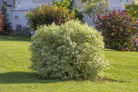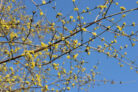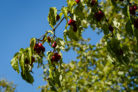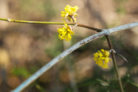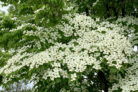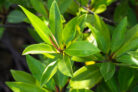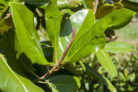
Propagating Cornelian cherries (Cornus mas) at home is actually a lot easier than you might think! With a little know-how, you can easily grow a fresh batch of these beautiful shrubs to keep your garden looking lush and full.
Ways to Propagate Your Cornelian Cherry
If you’re looking to expand your Cornelian cherry collection, you’ve basically got three main ways to go about it:
- Growing from cuttings,
- Using the layering method (layering), or
- Starting from seed.
Propagating Cornelian Cherry from Cuttings
The most popular—and usually most successful—way to get new plants is by taking cuttings. You’ll want to snip off some young, green shoots (avoid the woody ones) about 8 inches long. A great tip: you can do this right when you’re pruning your Cornelian cherry. The best time to grab these is in the spring, just after the flowers have faded.
Make sure to strip off all the leaves from the cutting; if you leave them on, they’ll just rot once they hit the soil. You can actually stick these cuttings directly into the ground at their new permanent spot right away. The only exception is during winter when the ground is frozen—in that case, start them in a nursery pot indoors. Once spring rolls around, those winter babies will be ready to plant outside.
Propagating Cornelian Cherry by Layering
Layering is another super reliable trick. For this, find a long, flexible branch on your main plant that you can bend all the way down to the dirt. Secure it to the ground using stones, some twine, or even tent stakes to make sure it stays put, then cover that section completely with soil. Once you see new little shoots popping up from that spot, it means roots have formed! You can then snip it away from the “mother” plant and move it to its own home.
Propagating Cornelian Cherry from Seed
While you *can* grow Cornelian cherries from seed, I’ll be honest with you: it takes a lot of patience. It’s a successful method, but it’s definitely the “slow lane.” The seeds can take up to two years just to germinate! After that, it’ll be several more years before you have a plant that actually looks like a shrub. Because it’s so time-consuming, most gardeners (myself included!) usually stick to cuttings or layering instead.