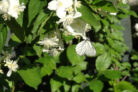
Mock oranges (Philadelphus) are a total classic in the gardening world. You’ll see them everywhere from public parks to backyard hedges, and they make stunning standalone shrubs too. If you’ve fallen in love with their fragrance and want more of them, you’re in luck! Propagating a mock orange is pretty straightforward, though it does require a little bit of patience.
Seeds or Cuttings?
Once the blooming season wraps up, the mock orange develops seed capsules. You can harvest these seeds in the fall and keep them in a dry spot over the winter. Come springtime, just sow those tiny 3 mm seeds into some seed-starting mix. Once they sprout, thin them out into individual pots. Just keep in mind that these little guys won’t be ready to move to their permanent home outdoors until the following spring.
Here’s the catch: many mock oranges are hybrids, meaning their seeds often won’t germinate well—or if they do, the new plant might not look like the parent. If you’re set on seeds, it’s usually easier to buy specific varieties from a nursery. However, if you want a carbon copy of your favorite shrub, propagating from cuttings is definitely the way to go.
Propagating from Cuttings
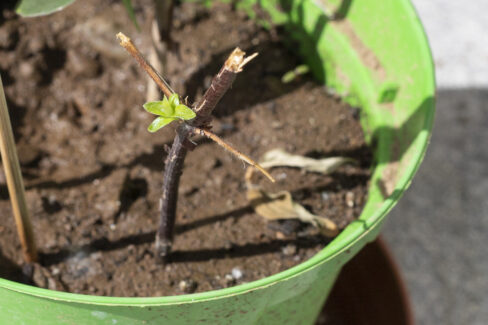
Using cuttings is the best way to ensure your new plant has the exact same characteristics as the original. Here’s my step-by-step guide to getting it right:
- Snip off some tip cuttings right after the plant finishes flowering.
- Look for “semi-hardwood” stems (stems that are starting to get firm but aren’t fully woody yet) and cut pieces about 8 inches long.
- Strip off the lower leaves so they don’t rot in the soil.
- Pro tip: Trim the remaining top leaves in half. This helps the plant focus all its energy on growing roots rather than maintaining foliage.
- Prep a pot with a mix of garden soil and sand.
- Stick your cuttings into the soil. You don’t even need rooting hormone for these!
- Keep the soil consistently moist.
- To create a mini-greenhouse effect, pop a plastic bag over the pot. Just remember to vent it occasionally so things don’t get moldy.
Once you see new growth, you’ll know they’ve successfully rooted! Even so, keep these youngsters in a cool, bright spot indoors over their first winter. You can move them to their permanent garden spot the following spring. I always recommend taking more cuttings than you think you’ll need, as it’s totally normal for a few of them not to take.
If you’re feeling bold, you can also try sticking your cuttings directly into the ground outside. You can cover them with plastic if you like, but the most important thing is keeping that soil damp. Just remember that outdoor cuttings are extra vulnerable. They’ll need a cozy layer of mulch, evergreen boughs, or garden fleece to survive their first winter. Usually, it takes about two to four years before your new mock orange shrubs show off their first fragrant blooms.