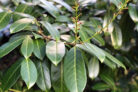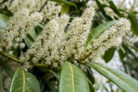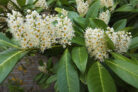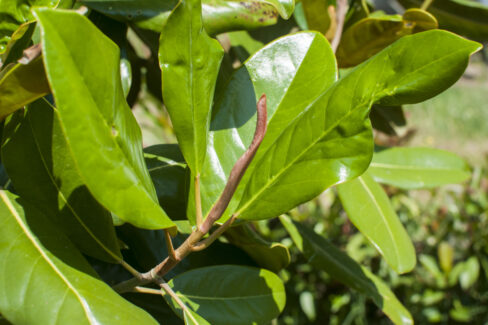
Unless you’re featuring a cherry laurel as a standalone specimen, chances are you’re looking to plant them as a hedge. But let’s be real: buying enough plants for a full privacy screen can get pricey fast! The good news is that growing your own cherry laurels is surprisingly easy and will save you a ton of money.
Choose Your Method
When it comes to propagating cherry laurels, you’ve got three main ways to get the job done. You can choose from:
- Taking cuttings
- Layering (rooting shoots in the soil)
- Growing from seed
Taking Cuttings
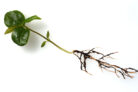
Technically, you can take cuttings from a cherry laurel anytime during the growing season. However, to make sure they have enough time to establish a solid root system before winter hits, I’d recommend starting earlier rather than later. Keep your cuttings short—about 6 inches is the sweet spot. Strip off most of the leaves, leaving just a few at the top, and trim those remaining leaves in half. This helps the plant focus on roots rather than keeping big leaves hydrated. Pop your cuttings into a glass of water, and once those roots reach about 2 inches long, they’re ready to be planted outside.
Layering Shoots
Another great trick is to fill small starter pots with a mix of sand and soil and tuck the tips of low-hanging branches directly into them while they’re still attached to the main plant. The key here is to keep the soil consistently moist. I like to cover the pots with a clear plastic bag to create a little greenhouse effect. You should see new roots forming within about four weeks. Once they’re established, you can simply snip the new plant away from its mother plant.
Growing from Seed
Finally, you can always go the old-fashioned route with seeds. You can harvest seeds from the plant’s berries in the fall and plant them right away. Here’s the play-by-play:
- Fill your pots with a high-quality seed-starting mix.
- Place the seeds on top and cover them with just a light dusting of soil.
- Give them a gentle misting with a spray bottle.
- Find a cool spot for the pots—cherry laurels are “cold germinators,” meaning they actually need a chill to wake up.
- Keep the soil lightly moist, and you’re good to go!