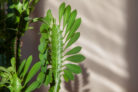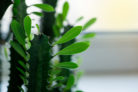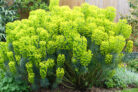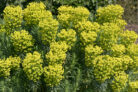
Many Euphorbia species are total rockstars in the world of houseplants. It’s easy to see why—they look stunning and are incredibly low-maintenance. Plus, some varieties are a breeze to propagate! If you’re looking to expand your indoor jungle, here’s the lowdown on how to do it right.
Safety First: Handle with Care
Before we dive in, we need to talk about safety. Euphorbia plants (also known as spurges) carry a milky white sap that is actually a toxic latex. This stuff can be really irritating to the skin and eyes for both humans and pets. Whenever you’re pruning or taking cuttings, always wear gloves. If you’re making several cuts, make sure the room is well-ventilated, as the sap can sometimes release fumes that irritate your airways. If you have curious toddlers or pets, you’ll want to keep these plants well out of reach.
Here’s a quick safety checklist for your pruning session:
- Always wear gloves.
- Avoid any skin or eye contact with the sap.
- If you do get sap on you, wash it off immediately with plenty of water.
- Keep kids and pets away while you work.
- Use a sharp, sterilized blade or shears.
- Ensure there’s plenty of fresh air in the room.
The Madagascar Jewel (Spitting Palm)
The Madagascar Jewel has a pretty cool (and slightly aggressive) way of spreading its wings: it literally “spits” its seeds across the room! Because pruning can mess with this plant’s unique look and overall health, taking cuttings isn’t really the way to go here. Instead, stick with the seeds. You can harvest them from the flower heads once they’re ripe. Give them a warm, bright spot and keep the soil moist, and you’ll have baby “spitters” in no time.
The Pencil Cactus
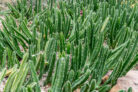
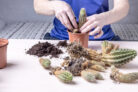
If you’re looking to propagate a Pencil Cactus (Euphorbia tirucalli), cuttings are your best bet. The best time to take your cuttings is during the summer. Snip off a healthy shoot just below a leaf node. Let the cutting dry out for a few days so the “wound” can callous over, then tuck it about one or two inches deep into a mix of cactus soil and sand. Keep it in a warm spot (at least 70°F) with bright, indirect light—just avoid harsh, direct midday sun while it’s rooting.
The Poinsettia
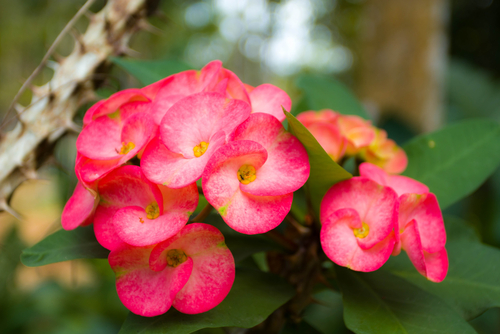
While Poinsettias are often grown from seed in tropical climates, here at home, cuttings are the way to go. Snip a 6-inch cutting from a strong, healthy plant. You can leave four or five leaves on the stem, but if they’re huge, go ahead and trim them in half to save the plant’s energy. Pro tip: Dip the cut end in warm water immediately after snipping to help stop the sap flow and keep the cutting from drying out too fast.