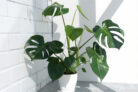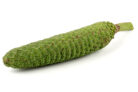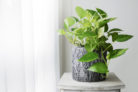
The Monstera deliciosa, often called the Swiss Cheese Plant, is famous for its stunning, iconic leaves and—believe it or not—the edible fruit it produces. If you’ve fallen in love with yours and want to expand your indoor jungle, you can easily propagate the plant using cuttings. Here is everything you need to know to get it right!
Spring is the Best Time to Start
For the best results, try to take your cuttings in the spring. As the plant enters its active growing phase after the winter break, cuttings will root much faster and grow into stronger, healthier young plants.
Getting the Perfect Cut
To turn a single leaf into a brand-new plant, there are a few tricks to keep in mind. The most important rule? You need a leaf that includes an aerial root. Here’s your step-by-step guide:
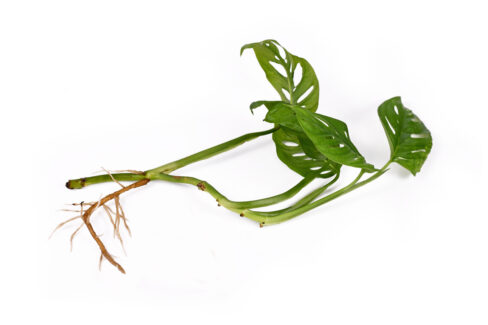
- Your “tip cutting” should have one or two leaves and at least one aerial root.
- Make your cut about half an inch (one centimeter) below the aerial root.
- Let the cut end air-dry for about an hour to “callus” over.
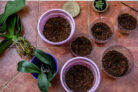
- Fill a large starter pot with a mix of peat and sand.
- Plant the cutting in the soil, making sure the root is tucked in.
- Water the soil using soft water (like filtered or rainwater).
- Place at least two wooden stakes next to the cutting and drape a clear plastic bag over the top to create a mini-greenhouse.
- Find a warm, draft-free spot with bright, indirect light.
- Once you see a fresh new leaf sprouting, you can remove the plastic cover.
Watch the Roots Grow in Real-Time
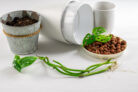
If you’re like me and love to see the magic happen, you can root your cutting in water instead. Just place the leaf and its aerial root into a glass jar filled with rainwater. Change the water every three days and keep it out of direct sunlight. Once the roots are a few inches long, you can transplant your new baby into loose potting soil.
A Quick Safety Note
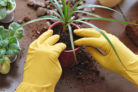
Keep in mind that while the fruit is edible once ripe, the rest of the Swiss Cheese Plant is actually toxic. When you’re taking cuttings, it’s a smart idea to wear gloves so you don’t get any of the irritating sap on your skin.