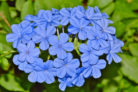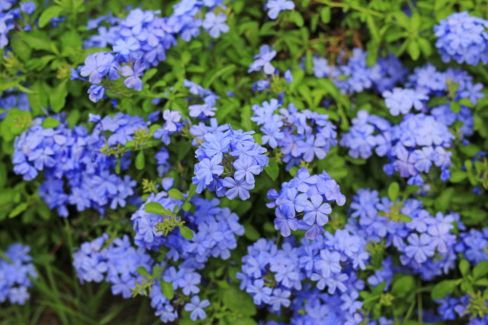
Once you see those stunning sky-blue blooms, it’s easy to fall in love with Cape Leadwort (Plumbago). In fact, most gardeners I know immediately want to add more of them to their landscape! If you’re looking to expand your collection, you’ve got two main options: taking cuttings or starting from seed.
Propagating with Cuttings
Leadwort can be a bit of a fast grower, which means you’ll likely be spending some time pruning it to keep it in shape throughout the season. The good news? Those trimmings are perfect for starting new plants! One quick safety tip: while Leadwort is not technically poisonous, the sap can be a real skin irritant for some people. I always recommend wearing a pair of gardening gloves before you start snipping to avoid any itchy allergic reactions.
Step-by-Step Guide
Ready to give it a shot? Here’s the easiest way to grow Leadwort from cuttings:
- Snip off several shoots about 4 to 6 inches long.
- Strip away any flowers and the leaves from the bottom half of the stem.
- Fill small pots with a seed-starting mix or a well-draining, low-nutrient soil.
- Poke the stems about 2 to 3 inches deep into the soil.
- Cover the pots with a clear plastic bag or a humidity dome to keep the moisture in.
- Place them in a bright spot, but out of direct, scorching sunlight.
If you keep the soil consistently moist, you should see new roots forming in about four weeks. For the best results, try to take your cuttings in late spring or early summer (May or June).
Growing from Seed
While cuttings are usually a breeze, growing Leadwort from seed is a bit more of a challenge. Since these beauties are native to South Africa, they’re used to a much warmer climate and can be a little finicky about germinating in cooler regions.
If you’re up for the challenge, start your seeds in the spring. Press them into a seed-starting mix and cover them lightly with about a quarter-inch of soil. You’ll need to keep the soil moist and find a bright, warm spot that stays consistently between 68°F and 73°F (20-23°C). With a little patience and the right temperature, you just might see those first green sprouts popping up!