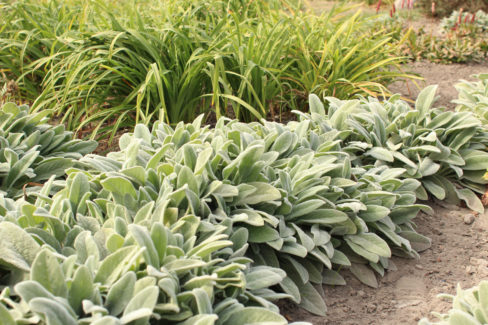
Lamb’s Ear (Stachys byzantina) is a member of the mint family that forms gorgeous, dense mounds of foliage. Originally hailing from the Middle East, it’s a go-to favorite for ground cover. Around here, we usually call it Lamb’s Ear because of those incredibly soft, velvety leaves, but you might also hear it called Woolly Hedgenettle.
Propagating Lamb’s Ear in Your Garden
Non-toxic and super hardy, Lamb’s Ear is primarily grown for its stunning foliage rather than its small red or pink flowers. It’s a low-maintenance dream that can handle tough soil like a champ. If you want more of it in your yard, you can easily propagate it by division, cuttings, or seeds.
Division
In the spring, right before the plant starts its new growth spurt, you can use a spade to slice off rooted leaf rosettes from the mother plant. Move these new babies to a spot with full sun. You’ll want soil that is loose and well-draining; if your soil is heavy clay, make sure to loosen it up and mix in some sand first. Since Lamb’s Ear hates “wet feet” (standing water), adding a little gravel or grit for drainage is a smart move.
If you don’t see any natural offsets yet, you can try “layering.” Just pin a long stem down to the ground with a small stone. After a while, that stem will grow its own roots, and you can snip it away from the main plant and move it to its new home.
Propagation via Cuttings
For this method, snip off a few 4- to 6-inch stems and pop them into a pot filled with moist seed-starting mix. Keep the soil consistently damp, and you should see roots forming within just a few weeks.
Growing from Seed
If you want to start from scratch, you can grab a packet of seeds at your local garden center. You can also harvest seeds from your own plants—just keep in mind that you’ll have to skip pruning your Lamb’s Ear after it blooms. You’ll need to let the flower stalks mature and dry out, which can look a little messy for a while, but it’s worth it for the free seeds! Here’s how to get them started:
- Start seeds in April, either in trays or directly in the garden.
- Fill your trays with a good seed-starting mix.
- Sprinkle the seeds on top. Don’t bury them! Lamb’s Ear seeds need light to germinate, so just press them gently into the surface or cover with a very thin dusting of soil.
- Give them a gentle watering.
- Keep the soil moist until they sprout.
- If using trays, limit direct sun to about three hours a day at first.
- Once they’ve sprouted, thin them out (prick them).
- Move them into individual pots or space them about 10 inches apart in the garden.