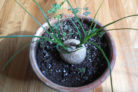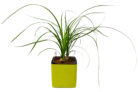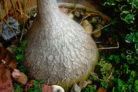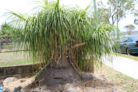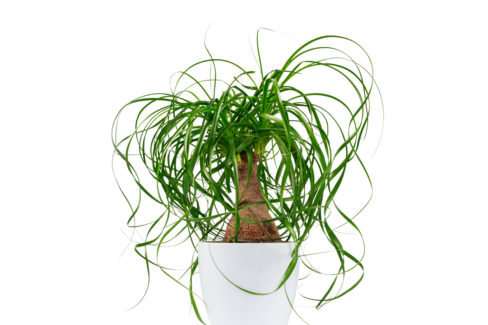
Most indoor plant lovers already know that the Ponytail Palm (botanically known as *Beaucarnea recurvata*) is one of the most low-maintenance roommates you can have. But what if you want to expand your collection? If you’re wondering how to propagate this popular houseplant, you’ve come to the right place. In this post, I’ll walk you through your options for growing your own “mini-elephants.”
Propagating Your Ponytail Palm
If you want to turn one Ponytail Palm into two (or more!), you generally have two ways to go about it:
- Offsets (cuttings)
- Seeds
Using Offsets
To propagate via offsets, your main plant needs to have developed side shoots. These little “pups” are what we use as cuttings. Usually, a Ponytail Palm starts producing these side shoots:
- Once it’s about three to four years old
- Once the trunk reaches a height of at least 8 inches (20 cm)
*Harvesting the Offsets
If you spot a side shoot, don’t reach for the shears just yet! Cuttings need to reach a certain size to survive on their own without the mother plant:
- Leaf length should be about 6 inches (15 cm)
- The “stem” of the offset should be at least 3 inches (7 cm) long
If your potential cutting hits these marks, go ahead and snip it off close to the main trunk during the spring or summer. Pro tip: trim the long leaves back to about 2 inches (5 cm) to help the plant focus its energy on growing roots.
*Planting the Cuttings
- Grab a small pot (no taller than 4 inches) with a drainage hole.
- Fill it loosely with moistened or dry seed-starting mix.
- Insert the woody end of the cutting about 2 inches deep into the soil.
- Press the substrate down firmly around the base so the cutting stands upright.
- Give the cutting a light misting with water.
- The soil should be moist, but definitely not soggy.
- Cover the pot with a clear plastic bag or a humidity dome to create a mini-greenhouse effect.
- Place it in a bright spot with temperatures between 72°F and 77°F (22-25°C), away from direct sunlight.
- Every two days, take the cover off to let it breathe and check the moisture (mist the soil if it’s drying out).
Caring for Your Young Plants
Once your cuttings have established roots, it’s time to ditch the plastic cover. Here’s how to keep your new little Ponytail Palms happy:
- Move the young plant to a bright spot that gets some morning or evening sun.
- If it’s in a south-facing window, protect it from the harsh midday sun.
- Water regularly but moderately.
- Always empty any excess water from the saucer—they hate “wet feet!”
- After about six weeks, give it its first dose of fertilizer (use a very weak concentration).
- Continue fertilizing lightly every three to four weeks until October.
Once your young Ponytail Palm has made it through its first winter without any issues, you can start treating it like a “grown-up” plant come spring.
Growing from Seeds
While you can grow these from seeds, getting your hands on them can be tricky because Ponytail Palms rarely bloom when kept indoors. However, if you’re lucky enough to have seeds, here’s the game plan:
- Soak the seeds overnight in lukewarm water to help them sprout.
- Fill a seed tray with moist seed-starting mix.
- Plant the seeds about 1/4 inch (5 mm) deep.
- Cover with a clear humidity dome.
- Place the tray in a bright spot where the soil temperature stays consistently between 72°F and 77°F.
- Vent the cover every two days and check the moisture level (don’t let the soil dry out completely!).
- You should see the first sprouts appearing within four to ten weeks.
Once the seedlings have developed roots and their first set of leaves, you can carefully transplant them into their own pots and care for them just like the young plants mentioned above.