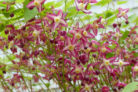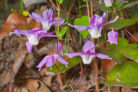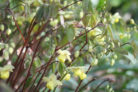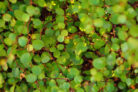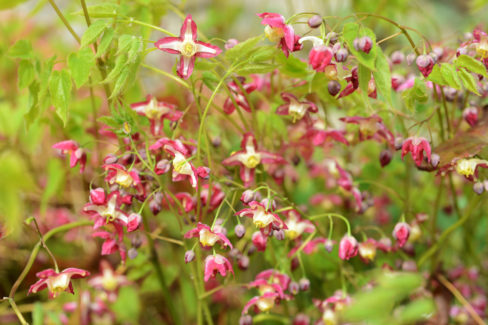
Barrenworts (also known by their lovely name, Epimediums) belong to the barberry family and include about 50 different species found all over the globe. These little guys are technically subshrubs, usually topping out at around 12 inches tall. They look fantastic when planted in small clusters or used as a lush, flowering groundcover. If you want to keep them looking vigorous and healthy, a quick annual trim is definitely the way to go.
Fun Facts About Barrenwort
Originally hailing from Europe and Western Asia, you’ll mostly find these beauties growing wild in woodlands. Their small, heart-shaped leaves are evergreen, often emerging with a gorgeous bronze tint in the spring. Right around the same time, delicate little flowers pop up on wiry stems. Most varieties have outer petals that look like tiny spurs, giving them a really unique look. Depending on which variety you pick, they bloom in:
- White
- Yellow
- Orange
- Various shades of red
Because they spread via rhizomes, they create a beautiful carpet-like effect, making them one of the best choices for a low-maintenance groundcover.
Pruning Your Barrenwort
Since they don’t get very tall, you don’t *have* to prune them. However, if you want your plants to stay prolific bloomers and keep that fresh, youthful look, a little haircut goes a long way. The best time to grab your shears is in early spring, just before the new growth starts to peek through.
Why Regular Pruning Matters
As a general rule of thumb, you should always snip off faded flower stalks. Letting the plant produce seeds just wastes energy it could be using for growth. Beyond that, you’ll want to prune to:
- Keep the plant in shape and prevent it from wandering too far
- Manage the height
- Remove any diseased stems
- Clean up branches damaged by winter frost
- Divide the underground rhizomes for propagation
After you’re done pruning, it’s a great idea to top-dress the area with some fresh garden compost. This not only protects the plants from late spring frosts but also gives them the organic boost they need for a strong new flush of growth.
Choosing the Right Tools
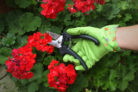
The tools you’ll need really depend on how much ground you’re covering. For small patches in your flower beds, a sharp, clean pair of hand pruners works perfectly. If you’ve used them as a large-scale groundcover, hedge shears or even power pole shears will save you a lot of time. In massive park-like settings, some people even use a lawnmower set to its highest height! Don’t worry if you accidentally cut them back a bit too short—Barrenworts are incredibly hardy and very forgiving of pruning mistakes.