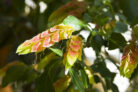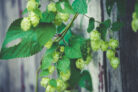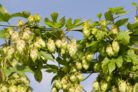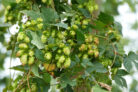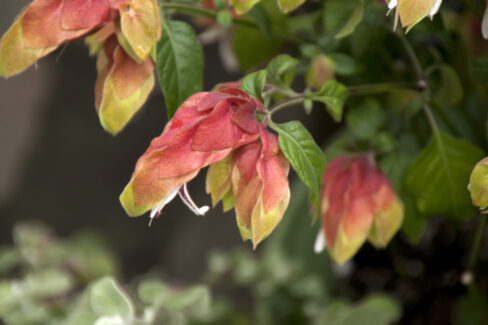
Ornamental hops, often called “Mexican Shrimp Plants” or simply indoor hops, are super easy-going houseplants. While they aren’t fans of the cold, they can reach a height of about 30 inches if you give them the right environment. To keep them looking their best and prevent them from getting too unruly, a little regular grooming is definitely the way to go.
Should You Regularly Prune Your Ornamental Hops?
Technically, you don’t *have* to prune your ornamental hops. However, if left to their own devices, these plants can get pretty wild, reaching over three feet tall with long, leggy stems. Since most of us grow these as houseplants—mainly because they won’t survive a frosty winter outdoors—an annual trim is key to keeping their size in check.
Plus, there’s a great bonus to pruning: every time you make a cut, you’re encouraging the plant to sprout new growth at that spot. This is the secret to getting that beautiful, bushy look we all love in a houseplant.
Tips for Pruning Your Ornamental Hops
The absolute best time to prune your perennial ornamental hops is in the spring. This is also the perfect time to think about repotting. While your plant will always appreciate a fresh batch of soil, you only need to move it to a larger pot if the roots have completely filled its current home.
Even though these plants are pretty tough and usually stay healthy, you should always use clean, sharp tools (like garden shears or a knife). Dirty tools are a quick way to introduce pests like aphids or spider mites. Give your blades a quick soak or wipe with disinfectant before you start.
Pro Tip: Start your pruning session by removing any parts of the plant that look wilted or sickly. Once those are gone, you can focus on shaping the rest of the plant exactly how you want it.
Pruning Ornamental Hops: The Quick Checklist
- Always prune in the spring.
- Trim back new shoots slightly to encourage a bushier shape.
- Remove any diseased or wilted stems.
- Repot at the same time if the plant is root-bound.
- Always use clean, sanitized cutting tools.
Pro Tip: Don’t let those spring trimmings go to waste! You can use the cuttings from your pruning session as “slips” to propagate and grow brand-new baby plants.