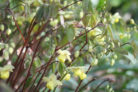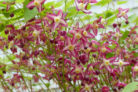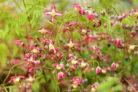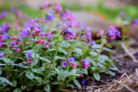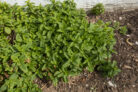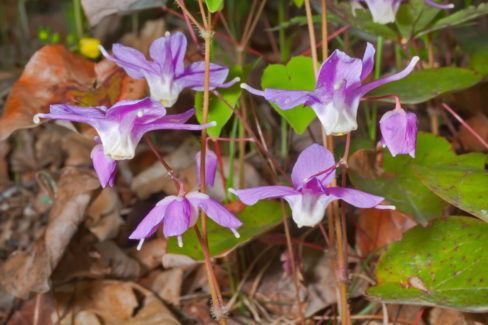
The charming Barrenwort—also known as “Bishop’s Hat” or “Fairy Wings”—is a total game-changer for those tricky shady spots in your yard. With its delicate pink, white, and yellow blooms, it’s like a little burst of sunshine for the darker corners of your garden every spring. Once it settles in, it quickly forms a lush, dense carpet that looks amazing.
The Best Spot and Traits for Your Barrenwort
As the undisputed star of the shade garden, Barrenwort is generally divided into Western and Far Eastern varieties. Both types thrive in shady to partially shaded areas that are tucked away from harsh winds and direct afternoon sun. You definitely want to avoid full sun, as it’s a bit too intense for these delicate groundcovers and can cause them to wither away.
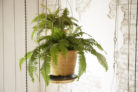
Western Barrenworts are the tough guys of the family. They’re semi-evergreen and grow vigorously under trees and shrubs, even if the soil gets a little dry now and then. On the other hand, the Far Eastern varieties are a bit more sensitive and grow more slowly. Because they don’t spread as aggressively, they look best planted in small clumps. These guys love fresh, moist, slightly acidic soil and make the perfect neighbors for Hostas or Ferns.
Once your Barrenworts have established their roots, they’ll start to spread beautifully. Before you know it, you’ll have a thick, gap-free carpet under your trees that erupts in color every spring. The best part? Weeds don’t stand a chance against them! Under the right conditions, these hardy plants can stick around for up to twenty years.
Getting the Soil Just Right
Finding the right spot is half the battle, but you also want to make sure the soil is up to par. Here’s what your Barrenwort is looking for in a home:
- Well-draining and loose soil (no one likes soggy feet!)
- Rich in nutrients
- Consistently moist
- High organic matter or humus content
- A bit of loam is fine, but try to keep the lime to a minimum
To keep the soil quality high, I recommend top-dressing with compost regularly. If your soil is looking a little thin or “hungry” before planting, go ahead and mix in some compost, peat moss, or well-rotted leaf mold to give your plants the best start possible.