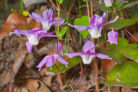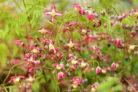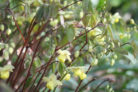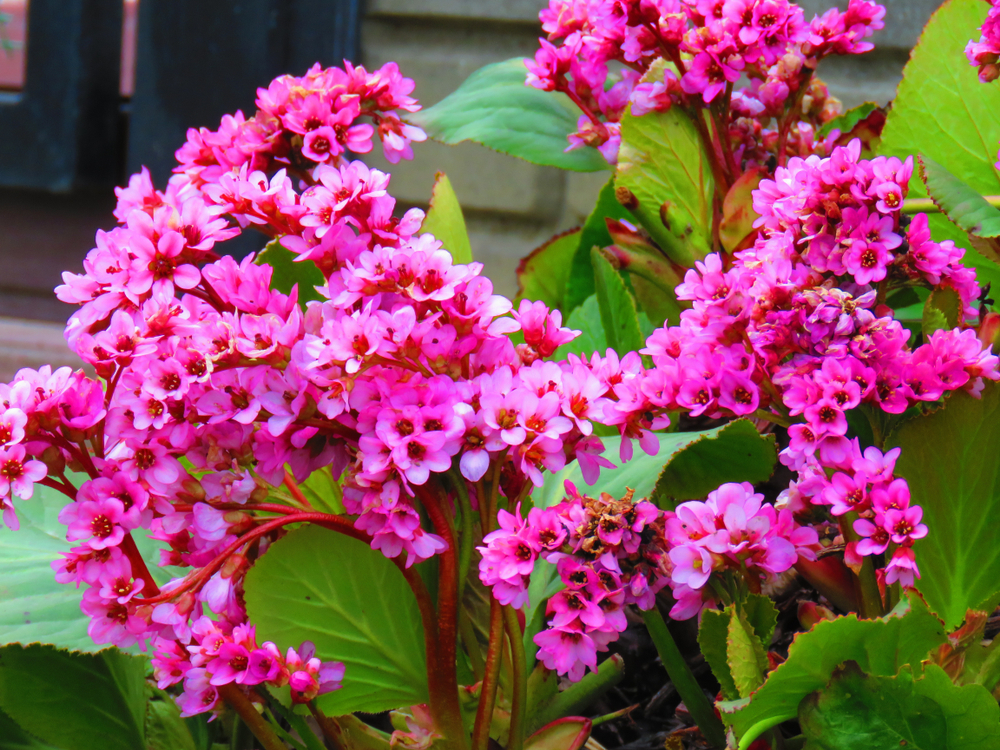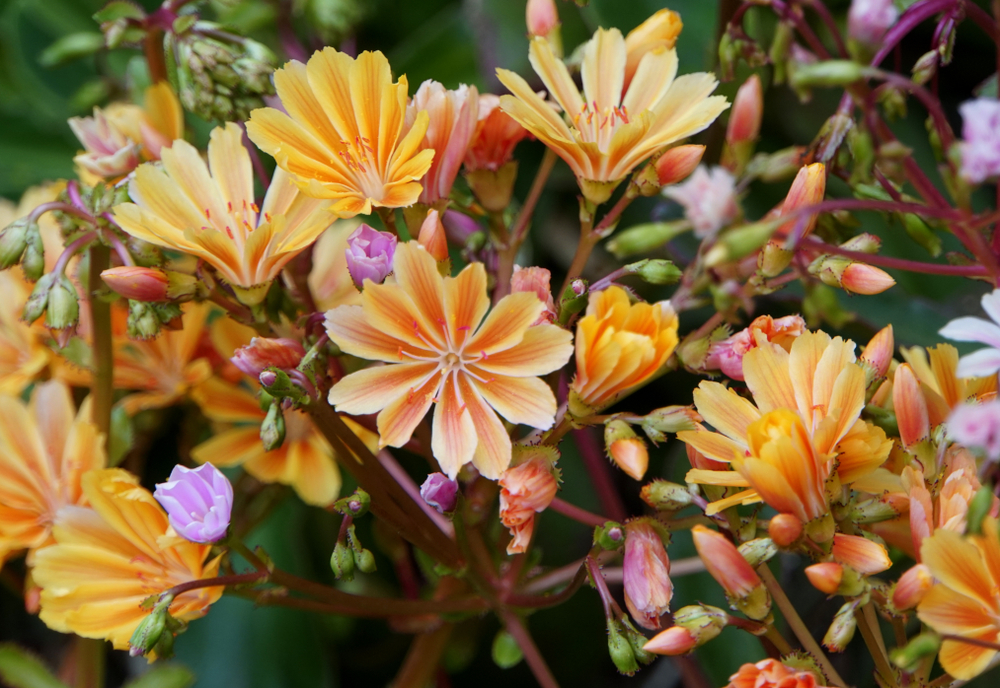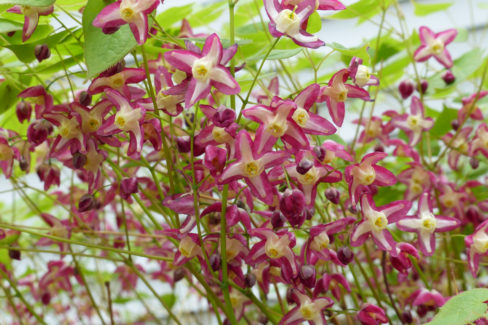
The delicate yet incredibly tough Barrenwort (also known by its whimsical name, Fairy Wings) is a fantastic groundcover that typically reaches about 16 inches in height. In the spring, it puts on a show with dainty white, pink, or yellow blossoms. But don’t let the flowers steal all the credit—outside of blooming season, its bright green foliage is a standout, often turning a stunning shade of orange once the fall chill hits.
Fun Facts About Barrenwort
There are about 50 different species of Barrenwort, with native roots stretching from the southern Alps and North Africa all the way to China and Japan. While they’re technically classified as perennials, their growth habit makes them feel a bit more like subshrubs. Fun fact: they actually belong to the Berberidaceae (Barberry) family!
European varieties are usually evergreen or semi-evergreen, with the previous year’s leaves sticking around until new, often bronze-colored growth pushes through in the spring. On the other hand, Asian varieties tend to be deciduous. In the wild, you’ll find these beauties growing in dappled woodland shade, usually in moist soil. If you’re looking to add this groundcover to your own backyard, aim for a partially shaded spot that’s protected from harsh winds. They love nutrient-rich, well-draining, and moist soil. Pro tip: mix in some leaf mold before planting, and add a thick layer of mulch to keep that moisture from evaporating too quickly.
The best time to get Barrenwort in the ground is either fall or spring. Space them about 8 inches apart to give them plenty of room to spread out. Make sure to water your young plants regularly until they’re well-established. Before you know it, they’ll knit together into a lush, dense carpet. They are absolute showstoppers in the spring when those airy flowers are in full bloom!
Is Barrenwort Safe?
While those delicate flowers are certainly tempting, it’s worth noting that the plant contains mild toxins. All parts of the Barrenwort contain alkaloids and bitter substances that can cause issues if eaten in large quantities. That said, serious cases of poisoning are pretty much unheard of. Because it tastes so bitter, pets almost never try to snack on it. It’s also safe for toddlers to touch, and that same bitter flavor usually keeps kids from wanting to take a bite. Interestingly, in some cultures, Barrenwort is actually eaten after being cooked, as the heat neutralizes most of the toxins.
In Traditional Chinese Medicine, Barrenwort extract (often called “Horny Goat Weed”) has a long history of use as a natural remedy for libido and is known for its aphrodisiac properties.