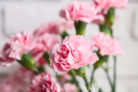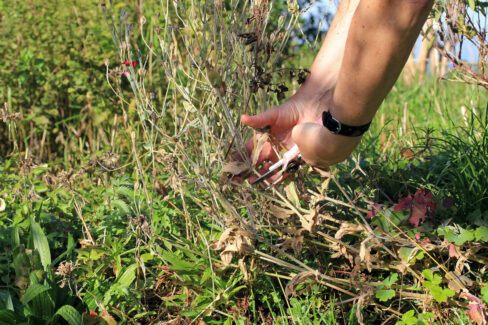
Thanks to their compact growth habit, carnations aren’t the kind of plants that need a strict pruning schedule. However, there are definitely a few times when grabbing your shears is a smart move. Let’s look at when a little trim can actually go a long way for your garden.
Why You Might Want to Prune
Even though carnations are pretty low-maintenance, pruning can be helpful if you want to:
- Encourage a second flush of blooms after the first round fades.
- Take cuttings to grow brand-new plants.
- Snip some beautiful stems for a fresh indoor bouquet.
Deadheading Faded Blooms
Once the blooming season winds down, it’s a great idea to cut back those spent flower stalks. Not only does this keep your garden looking tidy, but it can also trick the plant into blooming a second time in the same year. Now, some varieties are more eager to rebloom than others, so while it’s not a 100% guarantee, deadheading definitely tips the scales in your favor!
On the flip side, if you’re hoping to collect seeds or want the plants to self-sow and spread on their own, leave those faded flowers right where they are. Let them stay on the plant until the seeds fully ripen, and wait until next spring to tidy them up.
Cutting back the stalks before the seeds ripen is also a handy trick if you *don’t* want your carnations taking over the whole flower bed. By snipping them early, you stop self-seeding in its tracks. Just a quick tip: toss those clippings in the trash rather than the compost pile, as the seeds can sometimes finish ripening even after they’ve been cut!
Taking Cuttings for New Plants
Carnations aren’t just grown from seeds; they’re also super easy to propagate from cuttings. Late summer is generally the best time to do this, giving the new starts plenty of time to establish roots.
Aim for cuttings that are about four inches long. For the best results, look for side shoots that don’t have any flower buds on them yet—this way, you aren’t sacrificing any of this season’s color or potential seeds.
Cutting Carnations for Vases
If you’re bringing some of that garden beauty indoors, timing is everything. For the longest vase life, try to pick stems where the buds are just starting to show color but haven’t fully opened yet. They’ll open up beautifully in the water and stay fresh much longer than flowers that were already in full bloom when cut.