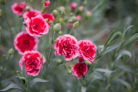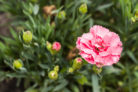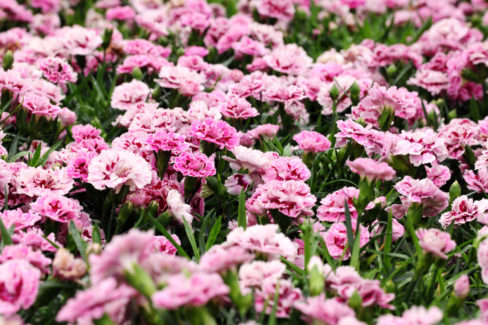
Whether you’ve got them in your garden beds or brightening up your patio pots, carnations (Dianthus) are actually pretty tough cookies when it comes to winter. Most varieties are naturally hardy, but a little extra TLC goes a long way in making sure they bounce back in the spring. Here’s the lowdown on how to get your carnations through the chilly months.
Carnations are Perennial and Hardy
Most carnations are actually biennial or perennial plants. Even though they handle our winters quite well, a lot of gardeners treat them as annuals and toss them at the end of the season. It’s usually not the cold that kills them—many varieties can actually withstand temperatures down to -4°F (-20°C). The real culprit behind winter die-off is usually too much moisture.
The Real Enemy: Wet Feet
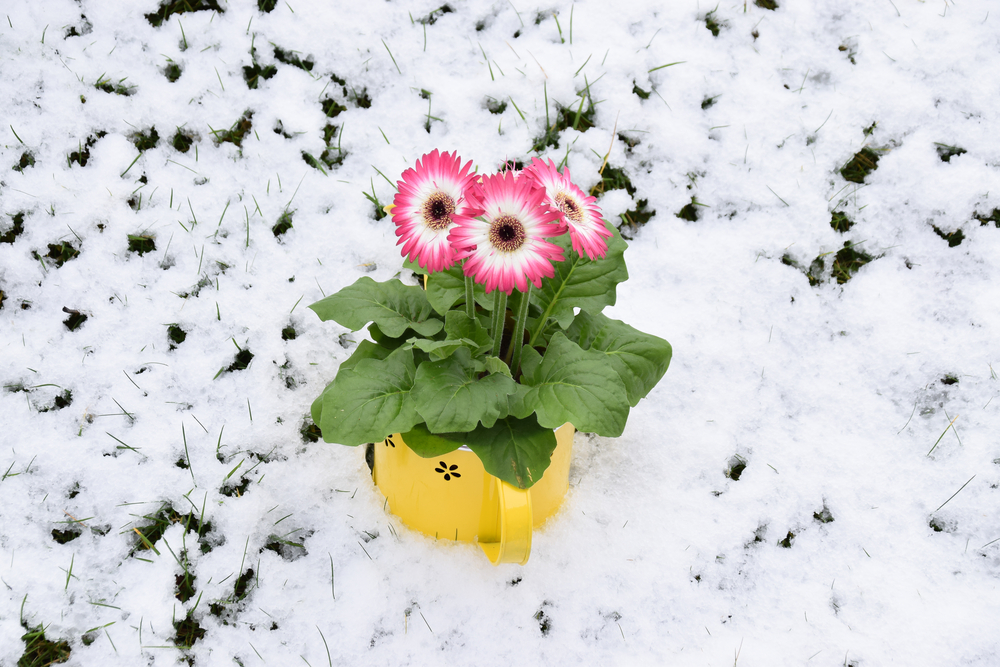
While carnations are surprisingly frost-resistant, they absolutely hate having “wet feet.” Persistent dampness and heavy rain are much bigger threats than a hard freeze. In particularly wet or snowy winters, the roots can suffer major damage. If the soil stays soggy for too long, you’re looking at root rot, which is a one-way ticket to plant heaven.
To keep them happy, make sure your carnations are protected from excessive moisture. If you have them in pots and the soil is looking like a swamp, don’t be afraid to repot them into fresh, dry soil. Move your containers to a sheltered spot, like against a house wall under an eave or an awning, to keep the worst of the rain and snow off them.
Overwintering Potted Carnations
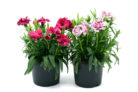
Carnations living in containers are generally hardy enough to stay on the balcony all year round. However, because there’s less soil in a pot to insulate the roots compared to the ground, they are a bit more vulnerable to freezing through.
Give your potted plants a little winter coat! Move them against a warm house wall and sit the pots on a piece of wood or styrofoam to insulate them from the cold ground. You can also wrap the pots in garden fleece or burlap. Just make sure the drainage holes stay clear—we definitely want to avoid any standing water in the pot.
Let Nature Do the Work
If you don’t want to worry too much about overwintering, you can always rely on the plants’ natural ability to multiply. Carnations are great at self-seeding in the fall. They’ll drop their seeds, and before you know it, you’ll have a fresh batch of baby plants popping up on their own next spring!