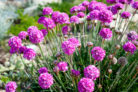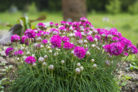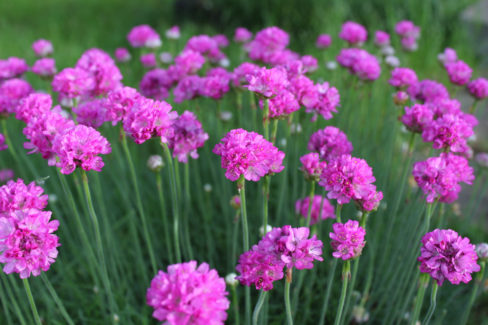
On one hand, Thrift (also known as Sea Pink or *Armeria*) is a pretty common sight since it grows in so many corners of the globe. On the other hand, it’s actually becoming quite rare in the wild in some regions, even landing on protected “red lists.” Because of that, we want to treat this plant with a little extra TLC—not just in nature, but when we’re reaching for the garden shears, too.
No Regular Pruning Required
The good news is that Thrift is a low-maintenance dream. Generally speaking, you don’t need to worry about a regular pruning schedule. It’s a tough little plant that gets by on very few nutrients and surprisingly little water. That said, there are still a few good reasons to grab your scissors or a sharp knife every now and then.
Deadheading for More Blooms
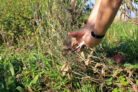
The most common reason to trim your Thrift is to remove spent flowers. You’ll want to do this regularly throughout the season. Why? Well, Thrift has a fantastic, long blooming window that stretches from May all the way into September. During this time, the plant is constantly trying to push out new buds. However, if you leave the wilted flowers on the plant, it shifts its energy away from making new blooms and focuses on producing seeds instead. By deadheading, you’re telling the plant to keep the flower show going!
Taking Cuttings
Another great reason to make a cut is if you want to propagate your Thrift. While you can always divide the root ball or sow seeds, taking cuttings is a super effective way to get new plants. Here’s how you do it:
- Look for young, healthy shoots about three to four inches long.
- Make sure these shoots don’t have any flowers or buds on them.
- Cut them off just above the soil line.
- Stick the cuttings into starter pots filled with sand (a peat-and-sand mix also works great).
- Cover the pots with a clear plastic film to create a little greenhouse effect.
- Keep the soil consistently moist.
After about six weeks, your cuttings should start developing roots. You’ll know they’re taking hold when you see new green growth popping up. Once they’re established, you can transplant your new babies into the garden in either the spring or the fall.