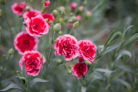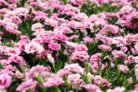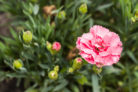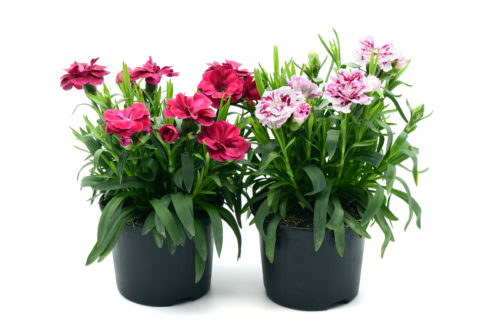
Dianthus—or carnations and pinks, as many of us call them—have been a staple in American gardens and balconies for generations. These hardy little beauties are incredibly tough and low-maintenance. If you’re looking for a burst of color without a ton of work, you only need to follow a few simple steps to get them thriving in your yard.
Where to Grow Your Dianthus
Because of their versatile growth habits, these plants fit in just about anywhere. They’re perfectly happy:
- Planted directly in your garden beds
- Used as colorful borders
- Or tucked into pots on your balcony or patio
Finding the Perfect Spot
Dianthus are sun-lovers through and through. They crave a warm, sunny spot and can handle direct sunlight like champs. Just a heads-up: if they’re baking in the sun all day, make sure to keep them watered so the root ball doesn’t bone-dry. When it comes to soil, they aren’t too picky, but they do insist on good drainage. Loose, porous soil is key to preventing “wet feet” (root rot).
Getting Your Plants Ready
You can easily pick up young plants at your local garden center or nursery. But if you’re feeling adventurous, you can grow them yourself from seed. You can also propagate them by taking cuttings or dividing established plants you already have in your garden.
When to Get Them in the Ground
Spring is the prime time for planting. If you’re putting out nursery-bought plants, aim for April or May. This gives them plenty of time to establish their roots before the summer heat kicks in. If you prefer direct sowing seeds, the best time is actually in late summer, right after the blooming season ends.
Spacing Them Out
Give your plants some breathing room! Whether they’re in a flower bed or a container, they need space to grow. Depending on the specific variety, you’ll want to space them about 6 to 12 inches apart. This ensures they aren’t fighting for nutrients or airflow. If you’re planting in window boxes, resist the urge to overcrowd them—less is often more for a healthy display.
Best Garden Companions
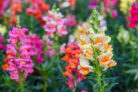
Mixing different types of Dianthus with various colors and bloom times is a great way to keep the “flower power” going all season long. But they also play very well with others! Since they love sun and well-drained soil, they pair beautifully with:
- Lavender
- Daisies
- Sage
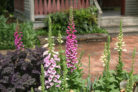
- Foxglove
- Astilbe
- Bellflowers