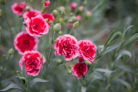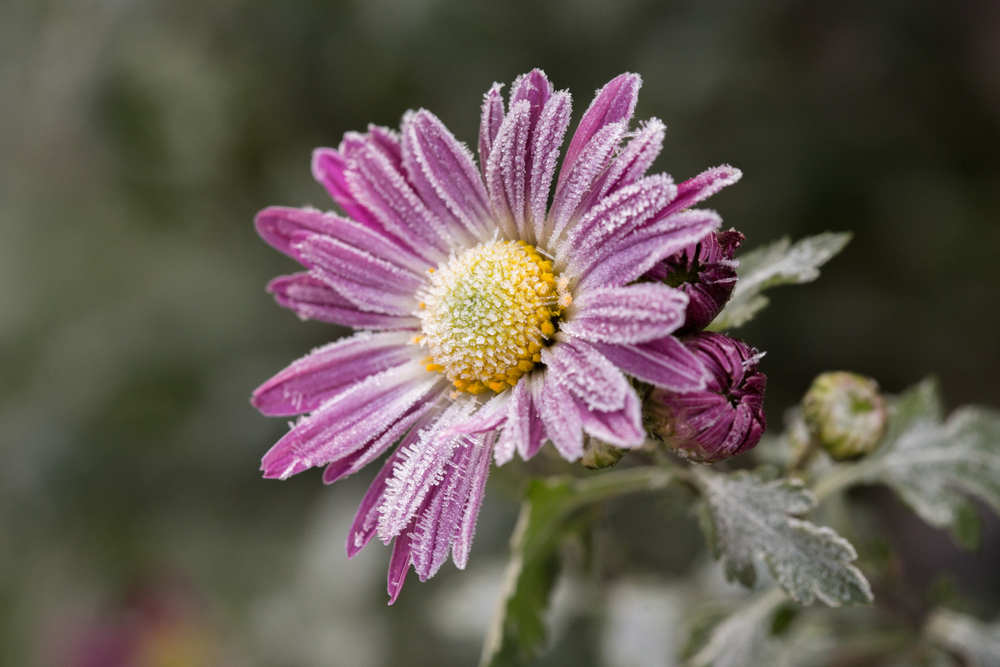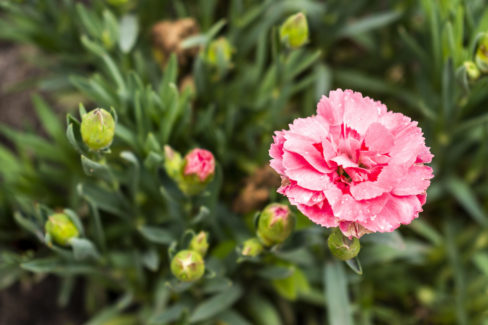
Most carnations and pinks are actually quite hardy and can stay outdoors year-round in our climate. However, because they are super sensitive to moisture and root rot, many gardeners treat them as annuals and toss them after one season. But here’s the good news: with a little winter prep, you can totally keep your dianthus coming back year after year!
Dianthus are generally winter-hardy
Most species of dianthus are naturally winter-hardy, even in colder regions. Whether they are planted in the ground or kept on the balcony, they can usually handle freezing temperatures down to about -4°F (-20°C). Generally speaking, you don’t need to dig them up and bring them inside.
How to winterize your dianthus
You can overwinter your plants right in the garden or in their balcony containers. A few extra steps will help protect those sensitive roots. The approach is slightly different depending on where they’re planted:
- Plants in the ground
- Plants in pots or containers
Overwintering dianthus in the garden
For your garden beds, lay down a light mulch of brushwood, evergreen branches, or bark mulch around the base of the plants. Just a heads-up: don’t go too heavy on the mulch! If it’s too thick, it can trap moisture and cause rot. Other than that, garden-planted dianthus are pretty low-maintenance in the winter.
Overwintering dianthus in pots
If you’re growing dianthus in pots or planters, they’ll need a bit of extra TLC. Since there’s less soil to act as insulation, the roots are much more vulnerable to the frost. Move your pots against a sheltered house wall and place them on an insulating base like wood or Styrofoam. It’s also a great idea to wrap the pot itself in garden fleece or burlap.
The real enemy: Too much moisture
Believe it or not, the biggest threat to your dianthus in the winter isn’t actually the cold—it’s the wetness. Soggy, rainy winters are the real killers. Excessive moisture causes the roots to rot, which eventually takes down the whole plant.
Most dianthus that don’t make it through the winter die from “wet feet,” not the freezing air. That’s why so many hobby gardeners think they are only annuals. But if you provide the right drainage and protection, you can help them survive even the dampest winters.
The goal is to keep them from sitting in standing water during rainy or snowy spells. If you have them in pots, make sure they have excellent drainage. You never want the root ball to dry out completely, but you definitely want to avoid soggy soil at all costs!