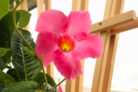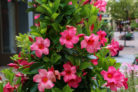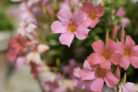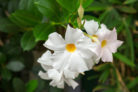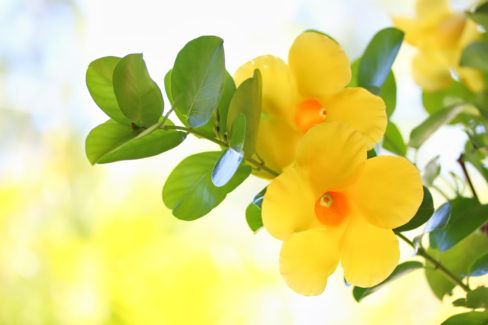
Dipladenia (also known as Mandevilla) is one of those low-maintenance superstars that treats you to a massive explosion of flowers all summer long. To keep that floral show going and prevent your plant from taking over the patio, you’ll want to give it a regular trim.
Why Prune Your Mandevilla?
There are a few great reasons to keep your shears handy for these perennials:
- Encouraging a bushier shape and more blooms
- Rejuvenating an older plant
- Tidying up stray vines
- Saving space before moving it indoors for winter
- Managing pests and diseases
More Blooms and a Fuller Look
Regular pruning doesn’t just make your Mandevilla look thicker; it actually sets the stage for more flowers. The trick is to only cut back the old growth, because Dipladenia blooms on new wood:
- When: March or April, just before the new spring growth starts.
- How much: Cut back by no more than one-third.
If you want a bushier, less “leggy” plant, you should try “pinching.” The best time to encourage those side shoots is right after repotting. Here’s how:
- Pop on some disposable gloves (to protect yourself from the milky sap).
- Use your fingers to snap off the tip of a shoot just below the first pair of leaves.
Rejuvenating Your Plant
If your Mandevilla is looking a bit tired, it’s time for a “hard prune.” This is more drastic than a standard trim: cut all the shoots back until only two buds remain on each. This forces the plant to start fresh with vigorous new growth and plenty of flowers.
Tidying Up Stray Vines
Sometimes a Mandevilla just grows in a direction you don’t like. Since this is just for aesthetics, you can snip off these “nuisance” vines anytime during the blooming season. Just keep it light—you’re just doing a quick tidy-up, not a full haircut.
Making Space for Winter
If your Mandevilla has gotten too big for its winter home, you can cut it back by up to half before moving it inside. This is especially helpful for plants growing on a trellis. If you do a heavy prune in the fall, you won’t need to prune it again after overwintering.
Pests and Diseases
If your plant is struggling with a disease or a pest infestation, don’t hesitate to give it a major cutback immediately. In this case, saving the plant is the priority, regardless of the season.
Tools and Prep
Mandevilla contains a milky sap that can irritate your skin, so definitely wear gloves while you work. That sap can also leave some nasty stains, so it’s a good idea to lay down some newspaper under your workspace. Most importantly, always use a pair of sharp, clean pruning shears for the best results!