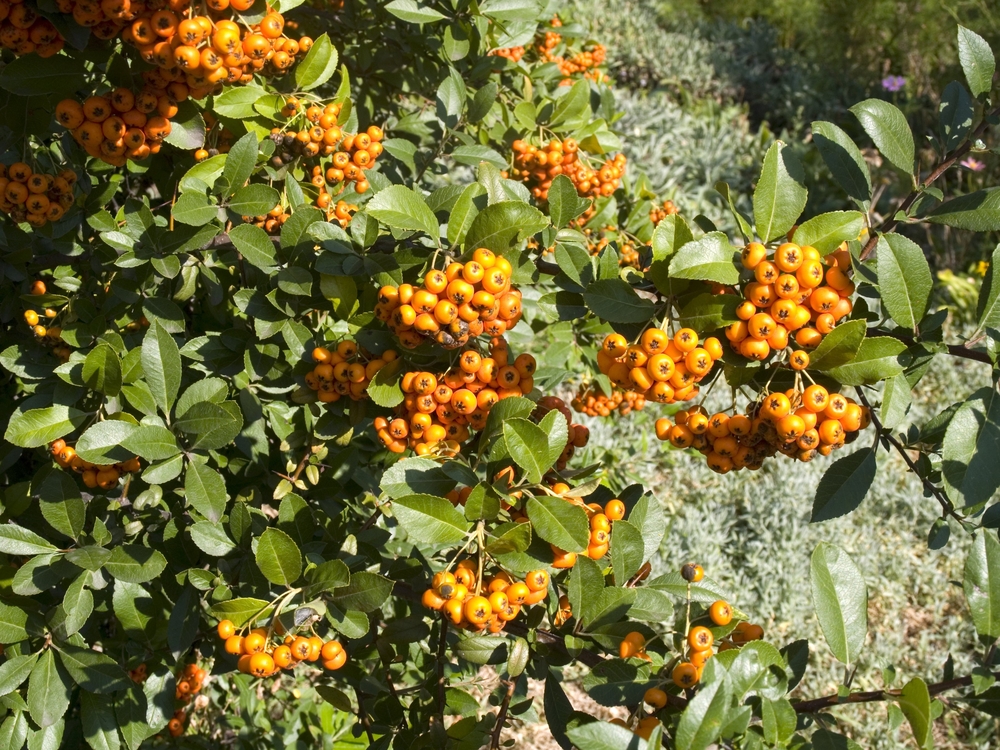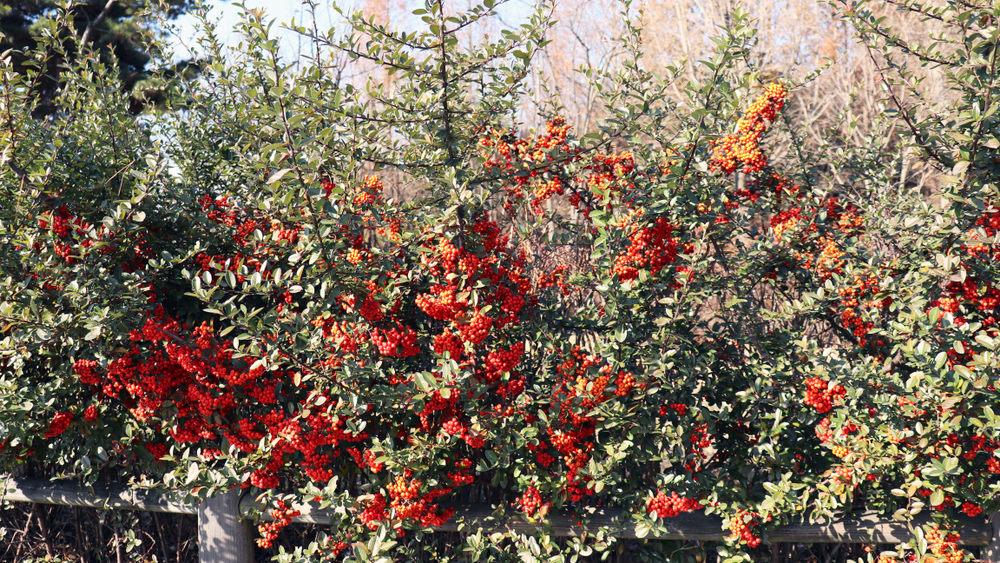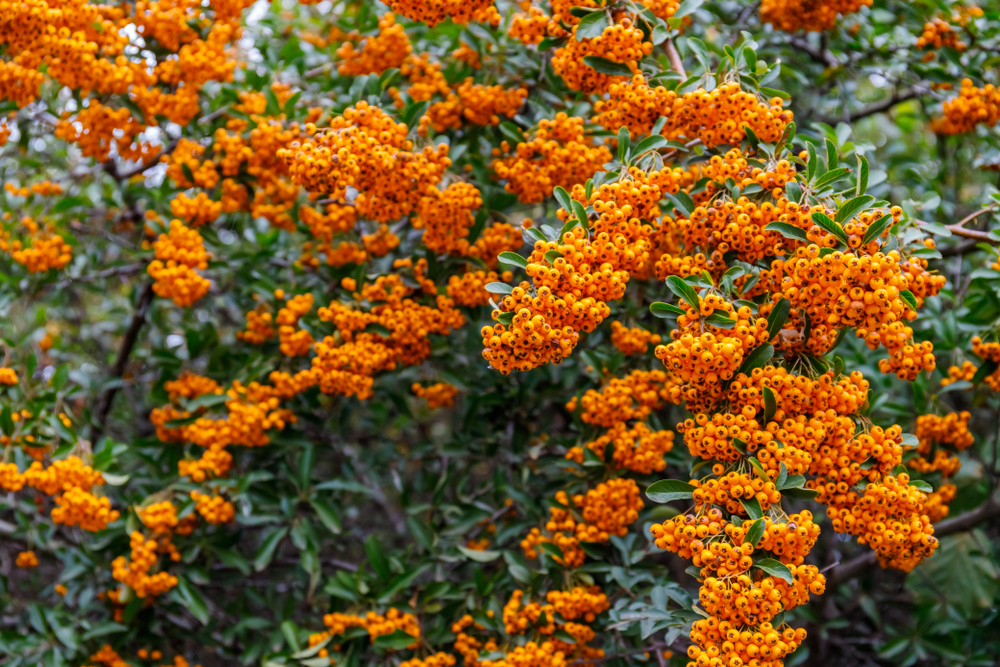
Firethorn (Pyracantha) is a real garden favorite, mostly because it’s so incredibly low-maintenance. However, if you want your plants to look their best, a little TLC goes a long way—especially when it comes to proper care. To keep your hedges or standalone shrubs from looking wild and unruly, regular pruning is the name of the game.
Don’t be afraid to give it a good trim
Since it’s part of the rose family, firethorn has a habit of growing a bit “leggy” and awkward. To keep those stray branches in check and maintain a nice shape, you’ll need to stay on top of your pruning. The good news? This is one tough shrub. It’s very resilient and can handle a heavy pruning without breaking a sweat.
Giving it a significant cut actually encourages new, denser growth. This is especially important for young plants to help them fill out. Plus, a well-timed trim doesn’t just make the bush look better—it actually boosts flower production, too!
When is the best time to prune?
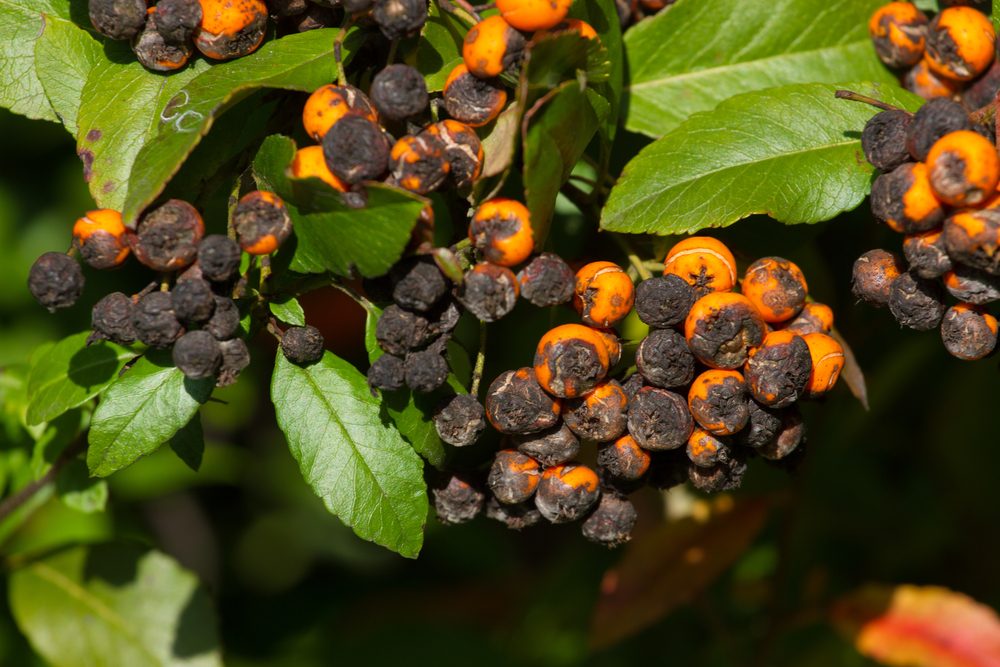
Your first round of pruning should happen in late winter, ideally between February and March. There are two big reasons for this: First, birds love nesting in these thorny branches, so you want to get in there before they start building their homes. Second, you want to wait until the birds have finished snacking on the winter berries. Just a quick heads-up: those berries are toxic to humans, so keep them off the dinner table!
Another great window for a trim is late June, which is usually a natural “rest period” in the plant’s growth cycle. Just be extra careful during this time to watch out for any nesting birds. You’ll also want to be selective with your cuts here—try not to snip off too many flower clusters, or you’ll have fewer of those beautiful berries to enjoy come fall.
To recap the basics:
- Don’t be shy—firethorn handles heavy pruning well.
- Aim for your first trim in February or March.
- Do a follow-up shape-up in late June.
- Always double-check for nesting birds before you start!
Pro tips for the perfect cut
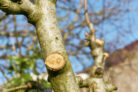
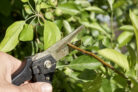
When you’re out there with your shears, try to cut the branches at a slight angle. This allows rainwater to run off the wound easily, which helps prevent diseases or rot from setting in. You can safely take off up to a third of the branch length without stressing the plant.
Make sure to completely remove any dead or bare wood. Also, keep an eye on the weather—pruning during a deep freeze or under a scorching sun can stress the fresh cuts. It’s always best to head out into the garden on a mild, overcast day for the best results.