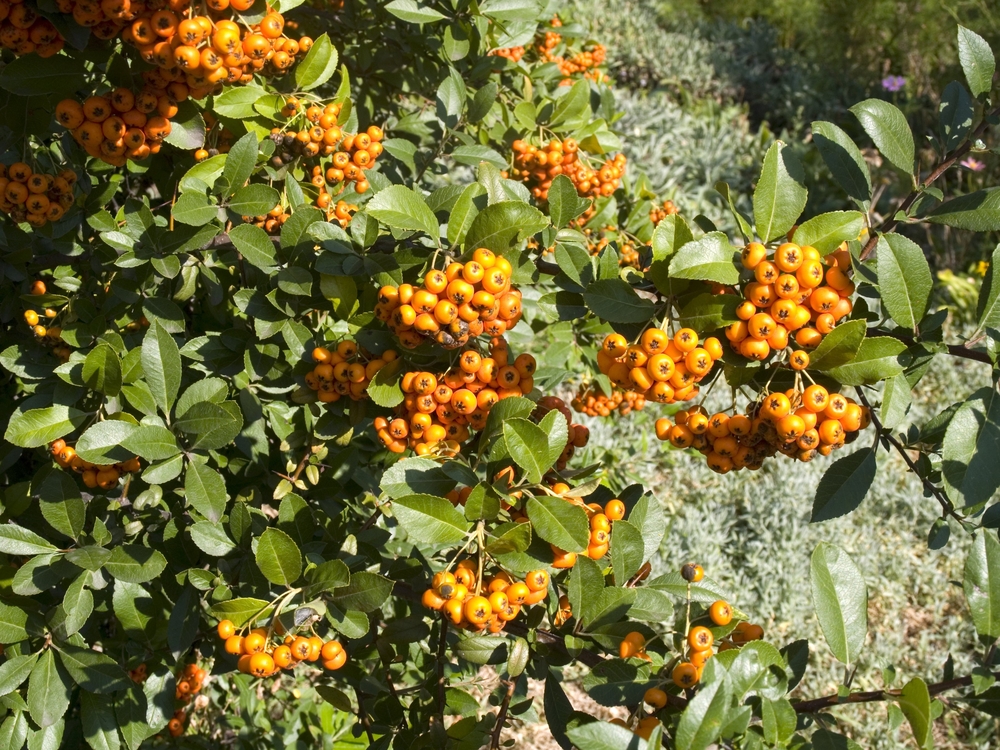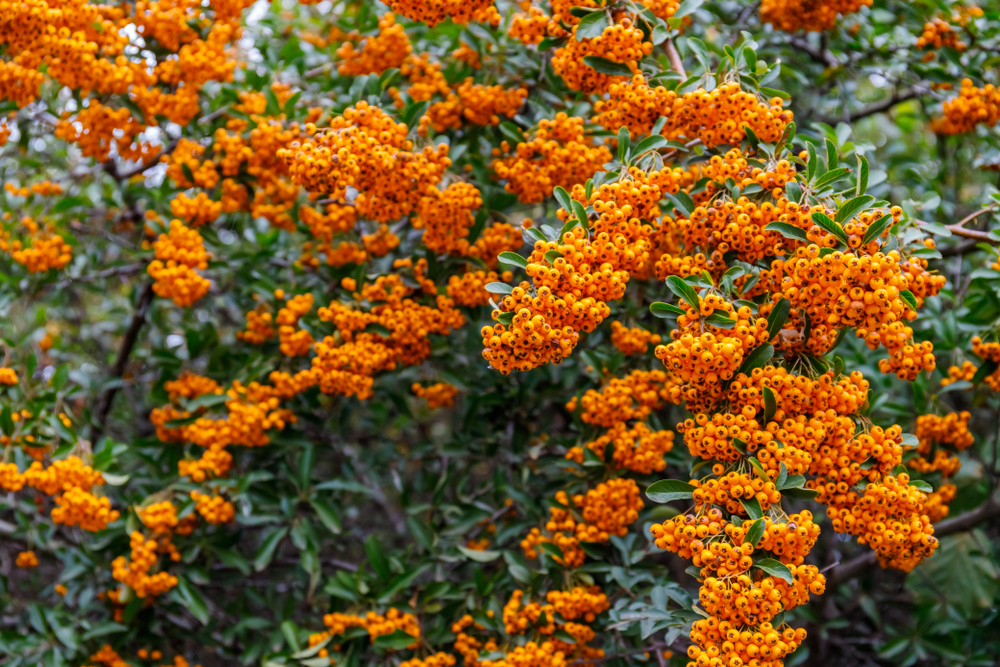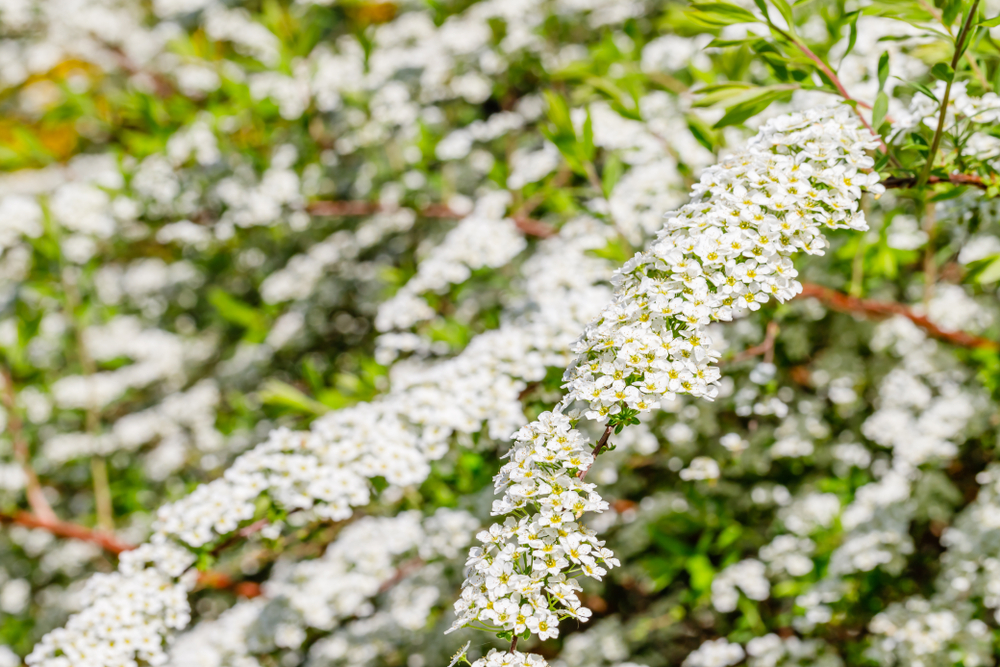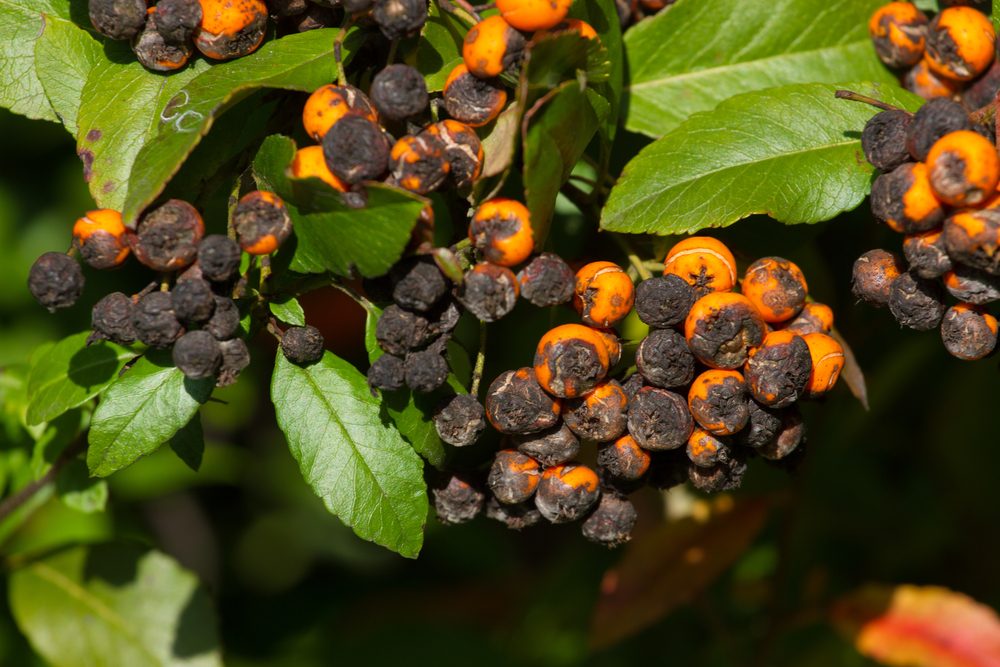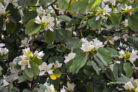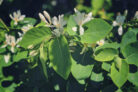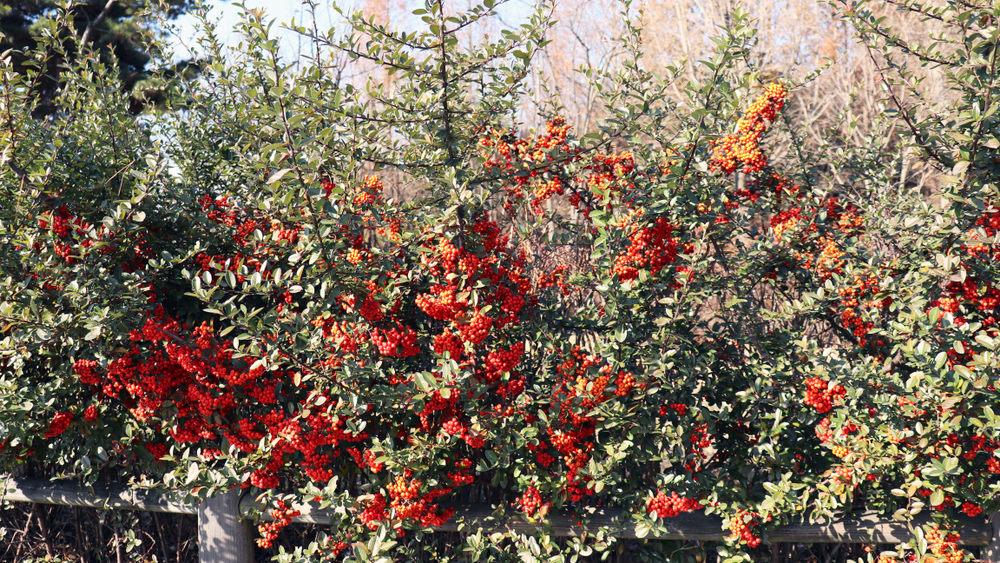
Firethorn (Pyracantha) is a real garden favorite, and it’s not just because of those stunning white spring blooms and vibrant red berries. One of the best things about this shrub is how low-maintenance it is! However, if you want your plants to truly thrive, there are a few tips and tricks you should know. It all starts with mastering the right pruning techniques for your hedge and ends with keeping an eye on your soil health.
It’s All About the Look
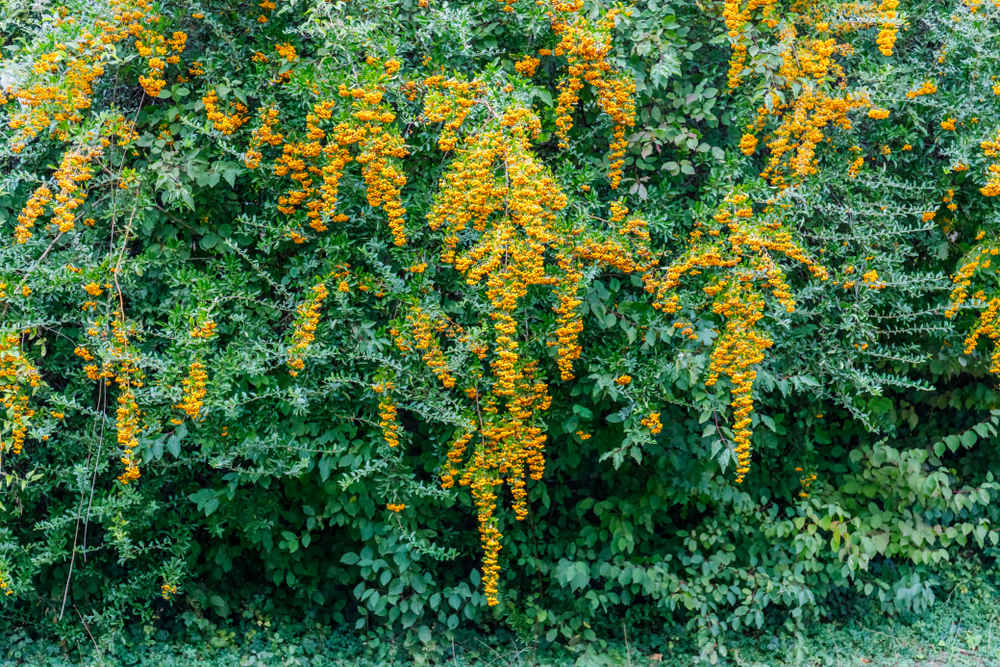
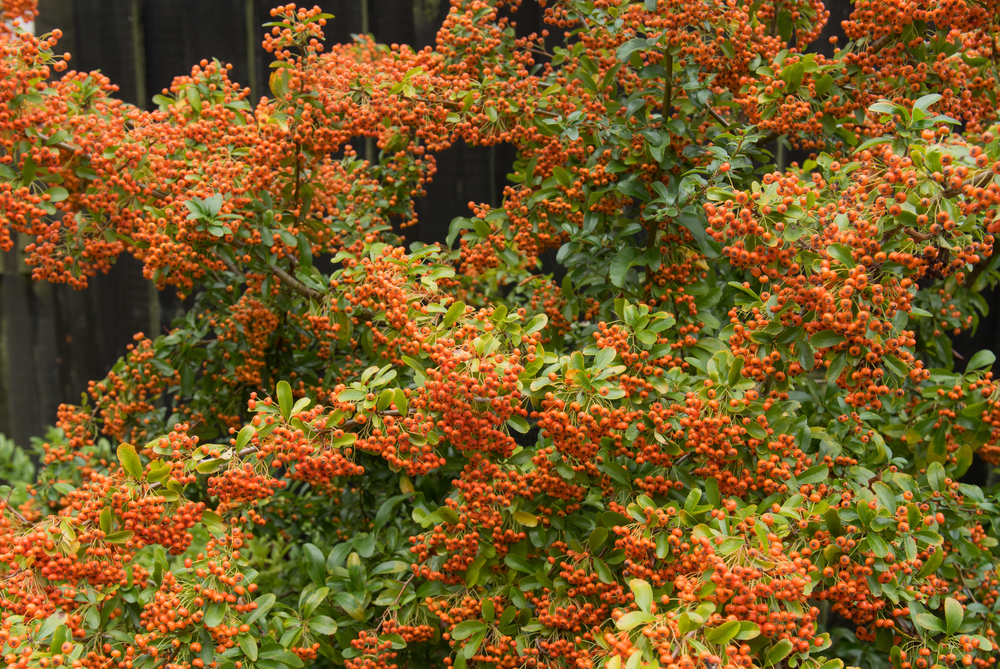
When it comes to pruning your Firethorn, your approach really depends on the look you’re going for. The good news? This plant is tough and can handle a heavy prune. You can easily cut back the branches by a good third without worrying. If you’re growing a hedge, a regular trim is actually a great idea because it encourages the new growth to fill in, making your privacy screen nice and dense.
On the flip side, keep in mind that every time you snip a branch, you’re removing potential flowers and berries. If you have a Firethorn growing as a standalone “specimen” plant in your yard, you might want to take a “less is more” approach. The more you let it follow its natural growth habit, the more spectacular that spring flower show will be.
Focus on the Foundation
While Firethorn isn’t high-maintenance, choosing the right planting spot is half the battle. These plants are sun-seekers, so make sure they get plenty of light. They also hate “wet feet,” so well-draining soil is a must. If you’re dealing with heavy clay, try mixing in some gravel or sand to loosen things up and improve drainage.
If your soil is a bit on the lean side, give your Firethorn a boost in the spring with some organic compost. Not only does this feed the plant, but it also helps maximize the number of berries you’ll see later in the year. While you’re at it, spring is also the perfect time to clear out any dead wood that didn’t make it through the winter.
To keep your Firethorn happy, remember these basics:
- Prune thoughtfully based on your goals
- Ensure the soil isn’t waterlogged
- Feed with compost in the spring
Since Firethorn isn’t a fan of soggy ground, it’s actually quite drought-tolerant once established. You won’t need to worry about watering unless you’re dealing with a serious summer heatwave or weeks without a drop of rain.