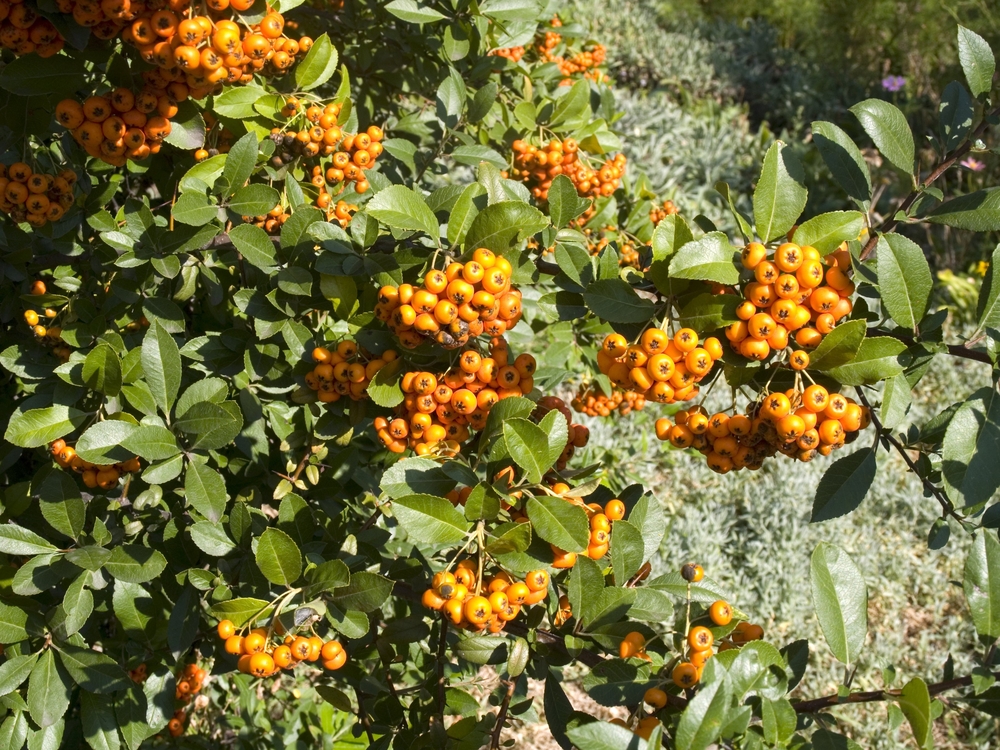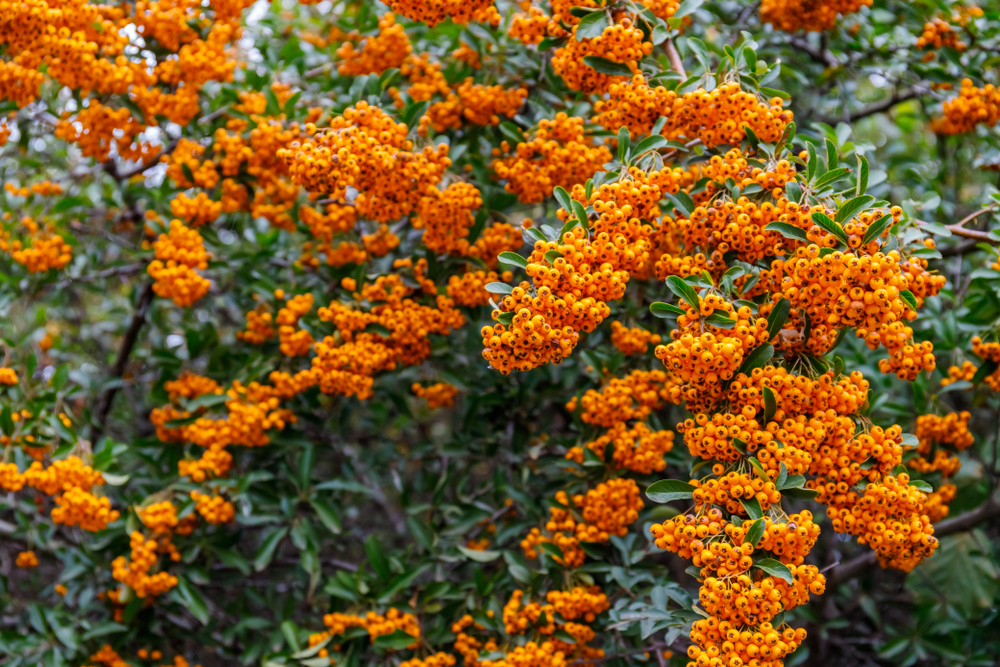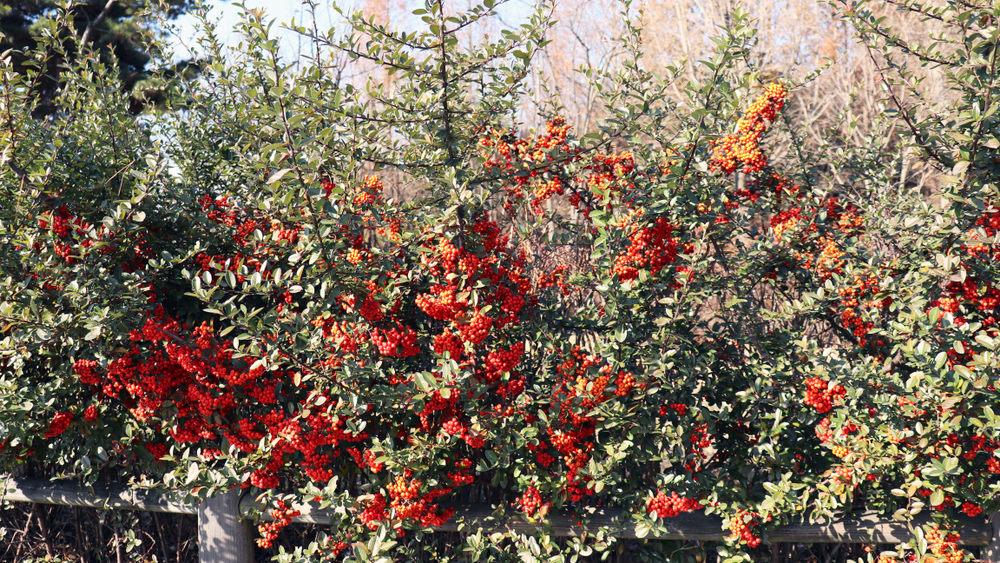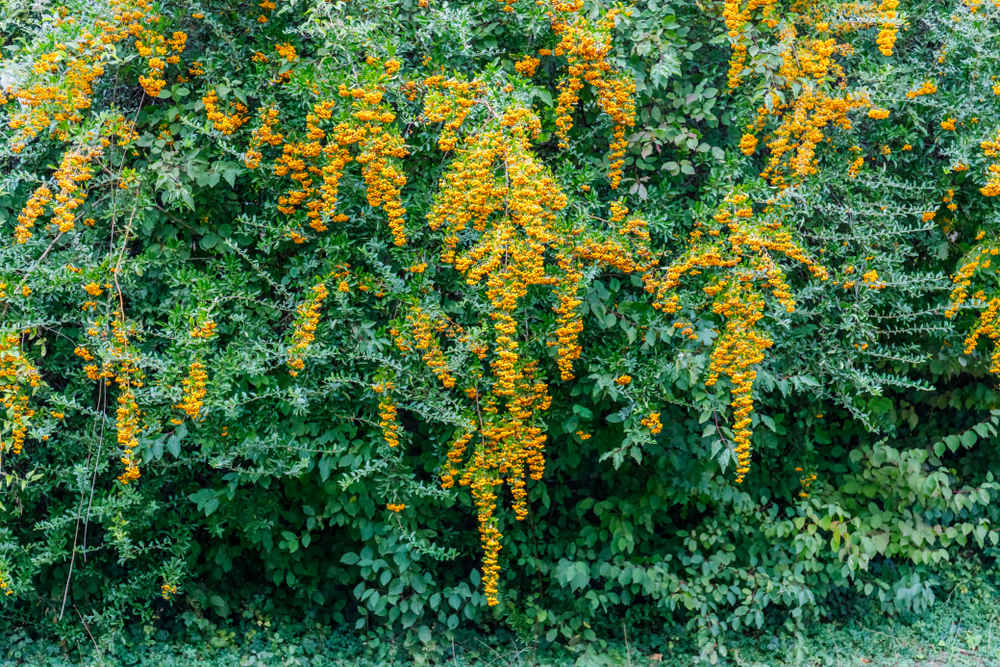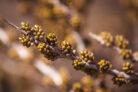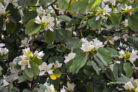
Firethorn (Pyracantha) is basically a dream hedge for any gardener. It’s evergreen, provides total privacy, and puts on a show with white blossoms in the spring and stunning orange-red berries starting in the fall. While we get to enjoy a beautiful living security fence, our feathered friends get a five-star buffet. But enough gushing—let’s get down to the nitty-gritty of how to grow one!
Planting Your Firethorn Hedge
First things first: make sure your location is up to par. Firethorn craves full sun and soil that drains well. If the ground stays too soggy, you’re just asking for diseases. If you’re dealing with heavy clay, mix in some sand to loosen things up, and definitely add a layer of gravel at the bottom of the planting hole for drainage.
I recommend choosing a variety that is scab-resistant and winter-hardy. If you’re feeling thrifty and have a mother plant (or some seeds) handy, you can actually propagate firethorn yourself. It saves money, but keep in mind it takes a bit of patience for the hedge to reach full size. The best time to plant is between March and August. For a tight hedge, space your plants about 12 inches (30 cm) apart. If you want to let the firethorn show off its natural growth habit, give them about 3 feet (1 m) of breathing room.
Keeping Your Hedge in Shape
Left to its own devices, firethorn can tower up to 20 feet high and eventually become top-heavy. To keep it manageable, give it a good hard prune every year in late February. Don’t wait too much longer than that—not only for the plant’s sake, but because birds love to nest in the thorny branches where cats can’t reach them.
- Prune in the evening or on cloudy days to avoid leaf burn.
- Use sharp bypass pruners or loppers.
- Sanitize your tools before and after use to prevent spreading germs.
- For massive hedges, an electric hedge trimmer is a lifesaver.
- Trim back those long, leggy shoots that aren’t branching out.
- Aim for a slightly rounded shape at the top.
- Make sure light can reach the inner branches.
- June and July are great for minor “haircut” touch-ups.
- Stop pruning by September so the plant can prep for winter.
Pro Tip:
Those bright berries are a favorite snack for local birds. When you do your summer touch-up, try not to snip off all the spent flowers—those are what turn into the berries that feed your backyard birds all winter long!
Watering and Fertilizing
When your shrubs are brand new, they need regular watering to get established. Once they’re settled in, firethorn is a deep-rooted plant that can mostly take care of itself. You’ll only need to give it a deep soak during those scorching, dry summer spells. In the spring, a nitrogen-rich fertilizer will help boost those flowers and berries. Your own backyard compost or any organic fertilizer works perfectly.
Removing a Firethorn Hedge
I’ll be honest: if you ever need to remove an old firethorn hedge, you’ve got your work cut out for you. Cutting back the branches is the easy part. The real challenge is the root system—it’s deep, sprawling, and takes some serious elbow grease to dig out. Some people opt for chemical stump killers to break down the roots in the ground, but be prepared for a project either way!