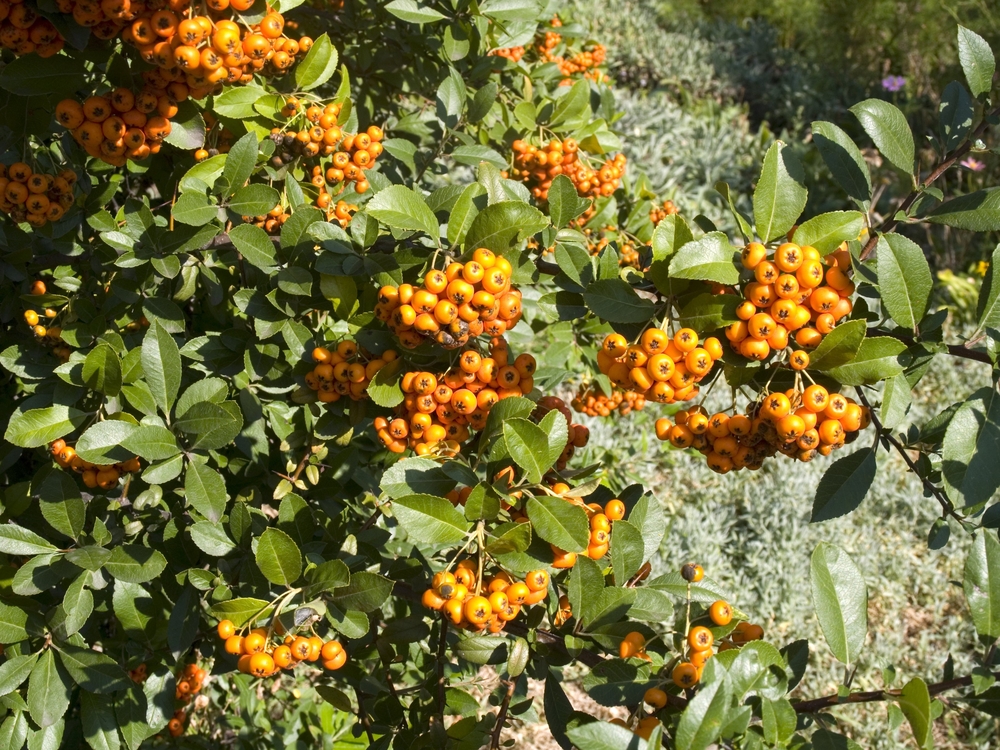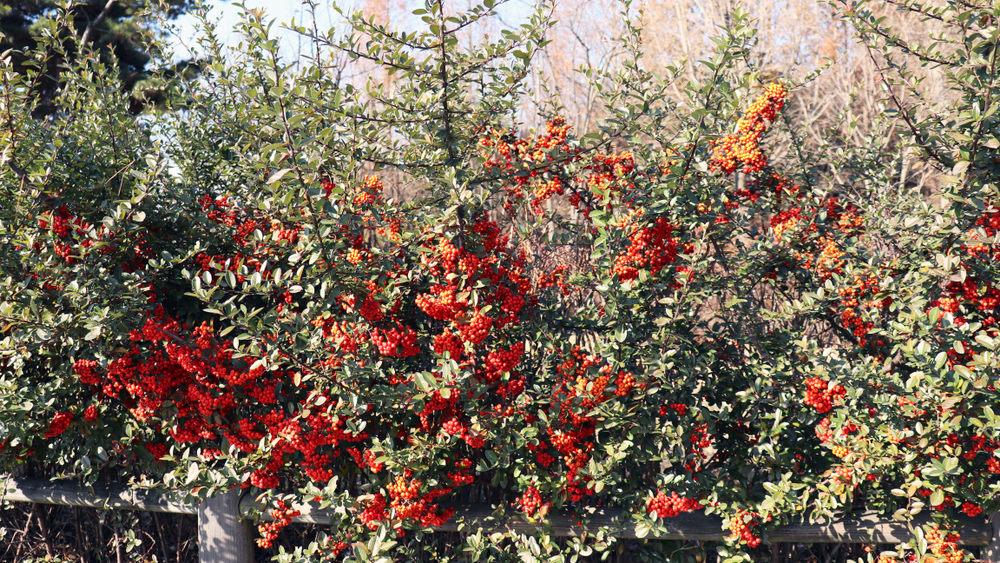
Generally speaking, firethorn (Pyracantha) is one tough cookie. It’s not usually a magnet for pests, and keeping it happy is pretty straightforward. But even the hardiest plants have their bad days. If your firethorn starts looking a little under the weather, here’s what you need to know and how to handle it.
A Common Headache: Firethorn Scab
When it comes to scab, your best defense is a good offense. When you’re shopping for a new plant, look for modern varieties specifically bred to be scab-resistant. It’s worth the extra effort because once this fungus moves in, it can be incredibly stubborn to get rid of.
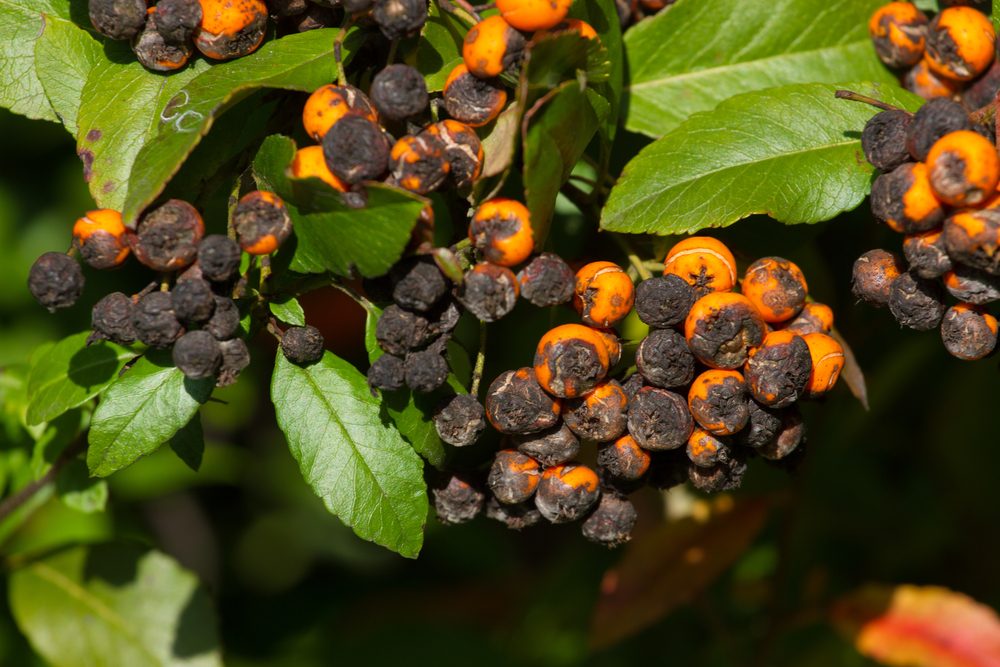
Scab loves damp, humid weather. In the spring, it usually starts on the blossoms and young shoots. You’ll know you have a problem when those beautiful berries turn a funky brownish-gray color. Soon after, the leaves will follow suit, and eventually, the fungus works its way under the bark.
Don’t Be Afraid to Prune Hard
If you spot scab, don’t bother picking off individual leaves or berries—it’s not enough since the fungus is likely already hiding under the bark. Instead, you need to grab your shears and cut back well into the healthy-looking wood. Don’t worry about hurting the plant; firethorn is resilient and bounces back quickly with fresh new growth.
Crucial tip: Do not put those clippings in your compost pile! The fungus can survive there and spread later. Bag them up and put them in the regular trash. Also, make sure to disinfect your garden tools immediately after you’re done so you don’t accidentally infect your other plants.
Quick checklist for dealing with scab:
- Prune back aggressively into healthy wood
- Dispose of clippings in the household trash
- Disinfect your tools afterward
The Serious Stuff: Firebrand (Fire Blight)
Another issue to watch out for is firebrand, also known as fire blight. This one hits fast in the spring—blossoms and leaves will suddenly wither and turn a scorched brownish-black, almost like they’ve been burned. These bacteria don’t just stop at firethorn; they can jump to your fruit trees and spread through the whole neighborhood.
Because it’s so contagious, fire blight is actually a reportable disease in many areas (check your local regulations!). There isn’t a simple spray-on cure for this one, so you’ll likely need to call in a pro to prune it back or remove the plant entirely to save the rest of your garden.